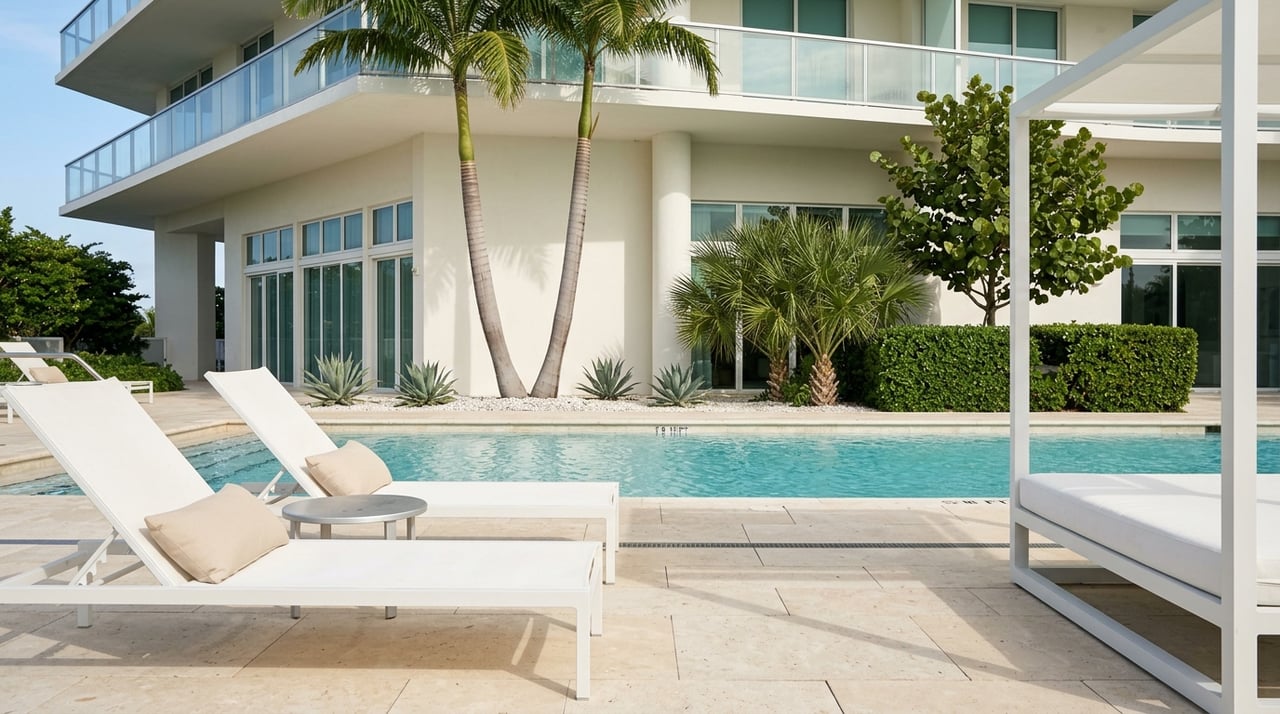
Comparing Pelican Bay Condo Communities by Lifestyle
Wondering which Pelican Bay condo style fits the way you actually want to live? That is one of the most important questions you can ask before you buy here, because Pelican Bay is not a one-size-fits-all condo market. If you are comparing towers, mid-rise buildings, and low-rise layouts, this guide will help you understand the real differences in views, beach access, density, and association structure so you can narrow your search with more confidence. Let’s dive in.
Pelican Bay is a master-planned beachfront community in Naples with about 6,500 residences spread across 95 distinct associations. The Pelican Bay Foundation serves as the master homeowners association and maintains the common areas set aside for perpetual care.
That larger community setting shapes daily life in a big way. Pelican Bay is known for preserved mangroves, beach access, and shared resort-style amenities, so your condo choice is often less about whether you want a condo and more about which building type matches your routine.
The Foundation describes nearly 3 miles of white-sand beach along the community’s western edge. Residents also have access to two beach locations, tram service, beach attendants, beachfront dining at Marker 36 and Sandbar, plus racquets, fitness, and community-center amenities.
When you compare Pelican Bay condos, it helps to think in three broad categories: high-rise towers, boutique mid-rise buildings, and low-rise or coach-home layouts. Each one creates a different day-to-day experience.
High-rise living in Pelican Bay is often the most view-driven option. Buildings in this category typically appeal to buyers who want elevator living, a more vertical setting, and a fuller shared-amenity package within the building itself.
Grosvenor is a clear example. It is a 19-story tower with 101 units, positioned above the mangroves with access to the berm and beach facilities by walking or taking a short tram ride.
Its amenities include a pool, hot tub, fitness center, sauna, social room, library, billiard room, guest suites, secure entry, garage parking, and front-desk support. St. Nicole offers another example of the high-rise lifestyle, with 97 units and tram service to the beach and Pelican Bay’s private beachfront amenities.
Best fit: Buyers who prioritize expansive views, elevator convenience, and a resort-style building environment.
Boutique mid-rise or mid-sized buildings can offer a middle path between tower living and a lower-density residential feel. This option may suit you if you want many of the same benefits as a tower without the same level of density.
The Heron shows what that can look like in Pelican Bay. It has 40 residences with only two units per floor, which creates a more private and quieter atmosphere than many larger buildings.
Owners there have direct beach access through a gated walkway to the berm, where they can walk or take the tram to beach activities. The building also includes a pool and spa, renovated gym and sauna, tennis and pickleball, a social room with catering kitchen, guest suites, secure indoor garage parking, and flood protection.
Best fit: Buyers who want a more intimate building with fewer neighbors per floor while staying close to Pelican Bay’s beach and shared amenities.
Low-rise living in Pelican Bay often feels more residential and less vertical. If you prefer a home-like layout and easier day-to-day access without relying on elevators, this category can be appealing.
L’Ambiance is a useful example. It includes 188 low-rise units arranged as Garden Homes and Coach Homes, with buildings containing 4, 12, or 16 units and attached garages.
For many buyers, this type of setting offers a different rhythm. You are still inside the same Pelican Bay beach-and-amenity ecosystem, but the experience can feel more like a neighborhood and less like a tower complex.
Best fit: Buyers who prefer a more residential scale, attached-garage convenience, and a less vertical lifestyle.
In Pelican Bay, beach access is not just about how close you are on a map. It is about how you will actually move through the community and how often you plan to use the beach.
The Pelican Bay Foundation says the beach stretches for nearly 3 miles and includes North Beach and South Beach as the two main access points. Beach attendants help set up loungers, cabanas, umbrellas, kayaks, and sailboats, and the tram system runs along the berms and boardwalks to connect residents to the beach and dining areas.
That means your ideal condo may depend on your preferred access pattern. One buyer may love a tower with a short tram ride and elevated views, while another may prefer a smaller building with a direct walkway and a more neighborhood-scale experience.
A helpful way to think about it is this: the right Pelican Bay condo is the one that fits how you plan to use the beach in real life. If you expect frequent beach mornings, sunset dinners, or easy back-and-forth trips, access routine matters just as much as square footage or finishes.
One of the most important parts of buying in Pelican Bay is understanding that ownership usually comes with layered governance. You are not just buying into one association.
In general, Pelican Bay owners are subject to the master Foundation as well as the individual condominium association for their specific building. That means fees, rules, reserves, and maintenance responsibilities may be shaped at more than one level.
Florida condo disclosure law requires the prospectus or FAQ materials to explain key issues such as voting rights, unit-use restrictions, leasing limits, assessment amounts by unit type, recreational or land-use fees, and whether recreation membership is mandatory. The disclosure packet must also include the operating budget and, when applicable, the most recent structural integrity reserve study or a statement that no study has been completed.
This review becomes especially important in larger or taller buildings. Florida law requires a structural integrity reserve study at least every 10 years for condominium buildings that are three habitable stories or higher, and current law limits the ability to waive or underfund required reserves for associations subject to that study.
The same law also explains that reserve funding may come from assessments, special assessments, lines of credit, or loans. If funding is not adequate, owners can face unexpected special assessments, so it is smart to review reserve strength carefully before you close.
The Florida Bar also notes that condo buyers should review any applicable milestone inspection report and structural integrity reserve study before closing. In Pelican Bay, building-level due diligence can also include budgets, financial reports, flood insurance information, leasing rules, pet policies, wind-mitigation and elevation certificates, and remodeling or ARC documents.
If you are trying to decide between Pelican Bay condo options, start with lifestyle first and building details second. A clear framework can save you time and help you compare the right properties.
Ask yourself what matters most:
Your answers will usually point you toward one building type faster than price alone.
Do not rely on the word condo as a shortcut. In Pelican Bay, buildings can differ significantly in how they handle dues, reserve funding, insurance, rental rules, renovation approvals, master association fees, and any recreation-fee structure.
A unit with a similar asking price can carry a very different ownership profile depending on the association. That is why side-by-side document review matters.
Here is a simple way to frame the choice:
| Condo style | Often best for | Key tradeoff |
|---|---|---|
| High-rise | View-focused buyers who want elevator living and robust building amenities | More density and a more vertical lifestyle |
| Boutique mid-rise | Buyers who want privacy and fewer units per floor with strong amenity access | Fewer total units may mean a smaller building community |
| Low-rise / coach home | Buyers who prefer a residential scale and attached-garage convenience | Usually less of the classic tower experience |
Pelican Bay is not one condo market. It is a collection of overlapping lifestyle choices inside one larger beachfront community.
The building type you choose can shape your views, your route to the beach, your sense of privacy, and your association experience just as much as the residence itself. When you compare options through that lens, it becomes much easier to identify which Pelican Bay condo truly fits your goals.
If you want help comparing Pelican Bay towers, boutique buildings, or low-rise options, Holly Fagan can help you evaluate the lifestyle details, building documents, and market positioning that matter before you make a move.
Let Holly guide you through your home buying journey, contact me today!