The Seawall Decides What a Marco Island Waterfront Home Is Actually Worth
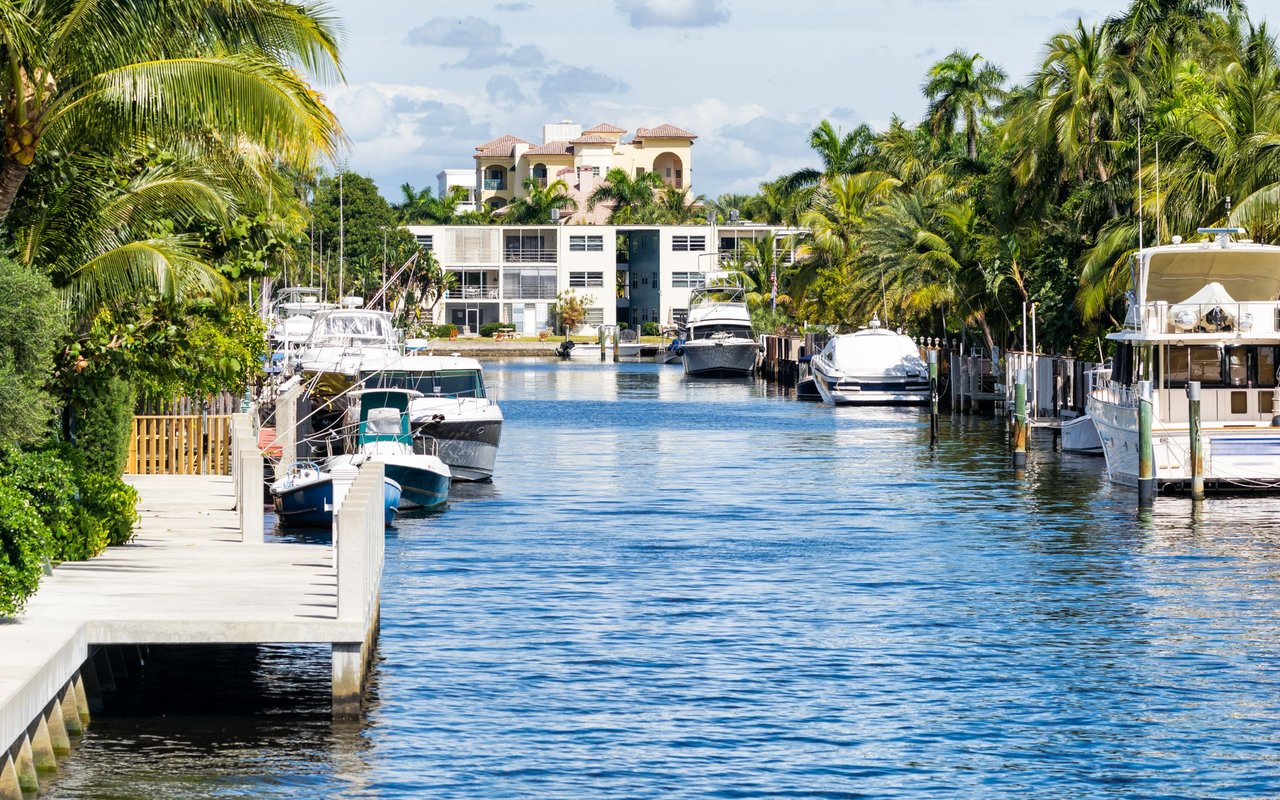
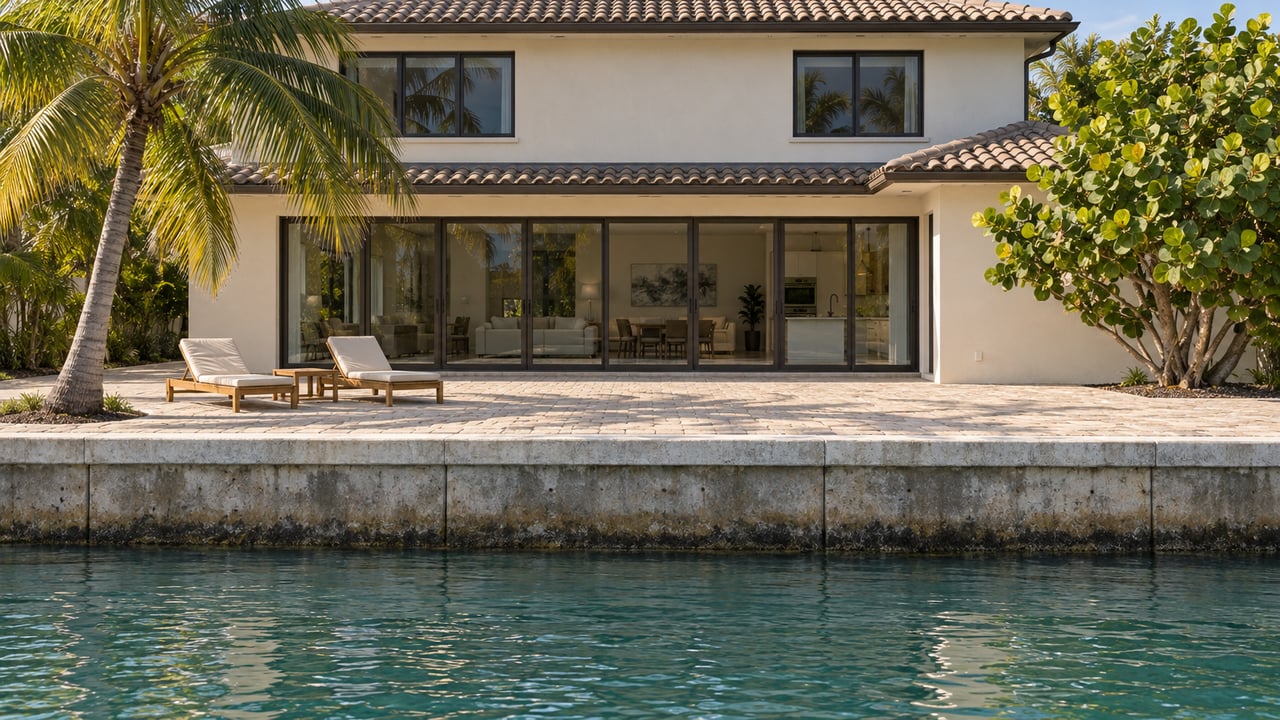
Walk a canal lot on Marco Island with an older bungalow still standing on it, and the listing will tell you about the square footage, the lot dimensions, the direction of the view. It will not tell you the one thing that determines whether that lot is worth the asking price: the age and condition of the seawall sitting a few feet from the back door. On an island where almost every canal was cut and bulkheaded during the same building cycle, that wall is doing more to set the price than the house is.
Marco Island was dredged from mangrove in the 1960s and 1970s. Developers filled the lots, graded them, and installed seawalls along the new canal edges as part of the original build-out. That means a large share of the island's waterfront seawalls are now more than fifty years old, all aging on roughly the same clock. Hurricane Irma's direct hit in 2017 and the surge from Hurricane Ian in 2022 didn't create this problem. They accelerated it, pushing walls that were already near the end of their service life into active failure and setting off the replacement cycle marine contractors on the island are now working through.
Out-of-market buyers often assume the path to new construction on Marco Island runs through an empty parcel. It rarely does. A 2026 guide to new construction on the island puts it plainly: a truly vacant, buildable lot is close to a myth here. The deep water access buyers want is almost always attached to a smaller, older home slated for teardown, and the seawall behind that home is frequently original to the 1970s development.
That matters because those older walls weren't engineered for what gets built on the lot today. Modern coastal construction sits higher, weighs more, and is held to current Florida Building Code wind and flood elevation standards. A wall poured to hold up a single-story 1972 ranch was never designed for the loads of an elevated concrete estate. Buyers evaluating a teardown lot are really buying two separate decisions: the home they'll build, and whether the seawall underneath it needs to be replaced before or during that build. A professional seawall inspection before closing has become standard advice for exactly this reason, and it's the kind of diligence step that a listing price never reflects on its own.
The clearest illustration of this is a waterfront estate on South Inlet Drive that sold for $11.9 million in a deal reported this year, the highest sale on the island year-to-date and the fourth-highest ever recorded there. The home was built in 2020, sits on about half an acre with 125 feet of direct waterfront, and comes with a private deepwater dock with two slips and lifts. Part of what that price is paying for is a seawall and dock system built to current code, not one inherited from the 1970s and patched along the way.
Compare that to a canal lot carrying an original wall with visible wear, tie-back rods showing age, or a cap that's starting to separate. The land might sit on the same waterway, offer a similar view, and list for a fraction of the price per square foot. Some of that gap is the house. A meaningful piece of it is the seawall, and that piece doesn't show up anywhere in a price-per-square-foot comparison.
Marco Island shifted into buyer's market territory this year. As of September 2026, the island carried roughly 7.9 months of inventory across all segments, well past the 6-month threshold where negotiating leverage tips toward buyers. Condos have softened faster than single-family homes. By spring 2026, condo listings on the island were commonly sitting 200 to 300 or more days before finding a buyer, and roughly 90 percent of active listings had taken at least one price reduction. The average sale-to-list ratio slipped to around 93.6 percent earlier in the year, meaning homes were closing several percentage points below their asking price rather than sparking bidding wars.
The luxury tier told a different story. Homes priced above $2 million carried a median around $3.45 million as of spring 2026, up roughly 4.7 percent year over year, with about 68 percent of those transactions paid in cash. That segment held up better because buyers at that level are less exposed to financing costs and more focused on the underlying asset, which includes the seawall.
What this means in practice: a buyer's market gives you standing to ask for documentation that a seller in a hotter market might have brushed off. On Marco Island specifically, that means requesting the seawall inspection report, the permit history for any prior repairs, and a written condition assessment before you write an offer, not after. In a market with this much supply, there's little reason for a seller to say no.
Buyers who inherit a seawall problem sometimes assume they can fix it fast and move on. The permitting reality on Marco Island runs slower than that. Seawall and dock work typically requires sign-off from the City of Marco Island, Collier County, and often the Florida Department of Environmental Protection and the U.S. Army Corps of Engineers, since these are structures sitting in state sovereign submerged lands. Add manatee slow-speed zones covering most of the island's waterways, which can restrict the timing of in-water construction, and a seawall replacement can become a multi-month project rather than a weekend one. Marine contractors working the island, including Crocker Marine Services, note that most structural repairs and all full replacements require permits, and that canal width and depth vary enough from one quadrant to the next that a repair plan on one canal won't necessarily transfer to another.
Does a newer home on Marco Island guarantee a newer seawall? Not automatically, but recently built luxury construction like the South Inlet Drive estate is far more likely to pair with a wall built or rebuilt to current code, since builders working on elevated coastal homes generally address the seawall as part of the project rather than leaving an original 1970s structure in place.
Is the seawall issue the same on every canal? No. Water depth, canal width, and setback rules vary from one part of the island to another, and the City of Marco Island's own guidance notes that a wall's design and repair needs depend heavily on its specific location and exposure.
Does the current buyer's market actually change my negotiating position on this? Yes. With the island sitting well above six months of supply as of September 2026, sellers have less room to decline a seawall inspection request or a permit history request than they would in a tighter market.
A seawall inspection report is a small document that changes what a Marco Island waterfront listing is actually worth. If you're comparing properties on this island and want a second set of eyes on what's really priced into the number, I'm glad to walk through it with you. Reach out to Holly Fagan to talk through a specific property before you write an offer.
Let Holly guide you through your home buying journey, contact me today!