Fort Myers Beach Condo Guide for Smart Buyers
Dreaming about waking up near the water in Fort Myers Beach? Condo living here can be a great fit, but on Estero Island, the right purchase is about much more than a pretty view. You need to weigh lifestyle, building condition, flood exposure, association rules, and post-storm recovery details before you commit. This guide will help you understand what matters most so you can shop with more clarity and confidence. Let’s dive in.
Fort Myers Beach is a barrier-island town on Estero Island along Southwest Florida’s Gulf coast. The town describes the area as home to seven miles of beach, along with cultural, park, recreational, and natural settings that shape everyday life.
Condo living here is often defined by where a building sits on the island. In most cases, buyers are deciding between Gulf-front beach access, bay-side boating convenience, or inland-island practicality. That location choice affects not only your daily routine, but also flood considerations, traffic patterns, and association rules.
The town also reports that Hurricane Ian caused widespread damage and that recovery is still ongoing. Because of that, building condition, permit history, and repair status should be part of every condo search in Fort Myers Beach.
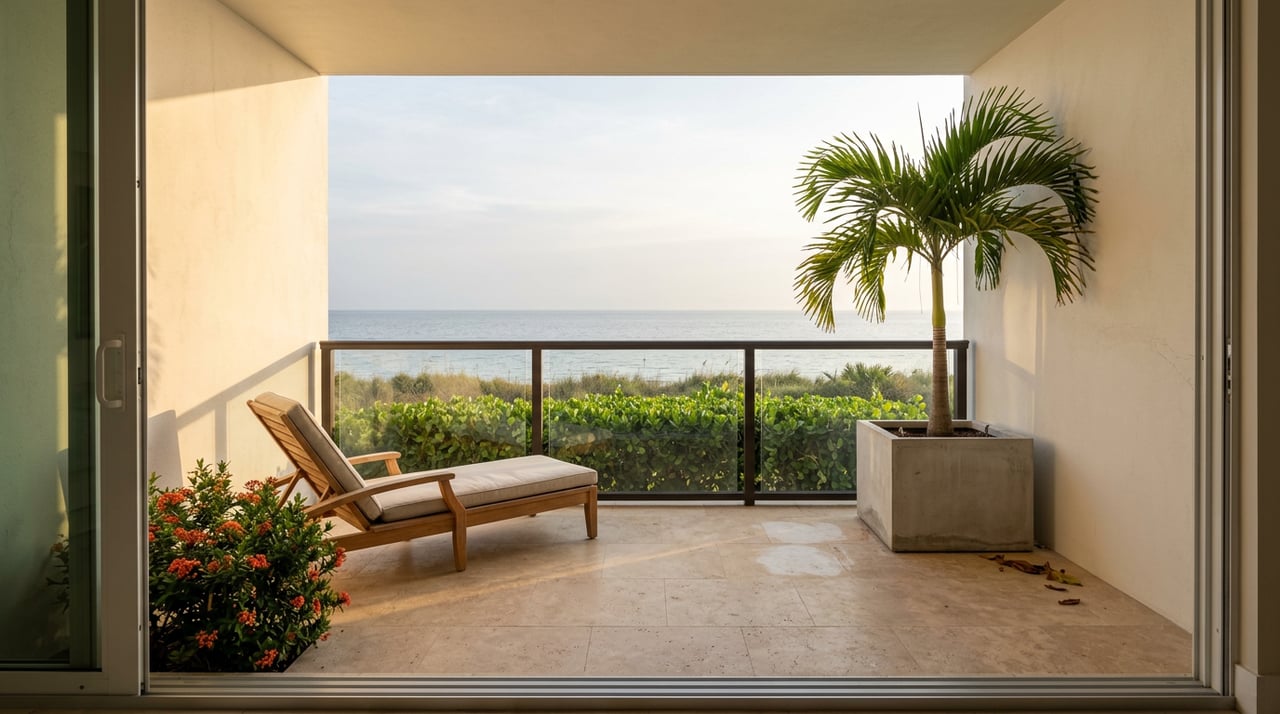
If your priority is direct sand access and open water views, Gulf-front or beach-side living may be the strongest match. Fort Myers Beach notes that the island has seven miles of white sandy beaches and 29 public beach access points, with many offering public parking or ADA-friendly mobi mats or ramps.
This part of the island delivers the classic beach lifestyle. The town describes the beach as a gentle, low-surf environment without sudden drop-offs or large waves, which helps explain why many buyers are drawn to easy beach walks and waterfront relaxation.
There is also a practical side to beach-side ownership. Estero Boulevard is the island’s only thoroughfare, so walkability, guest parking, and traffic flow matter more here than they might in other coastal condo markets.
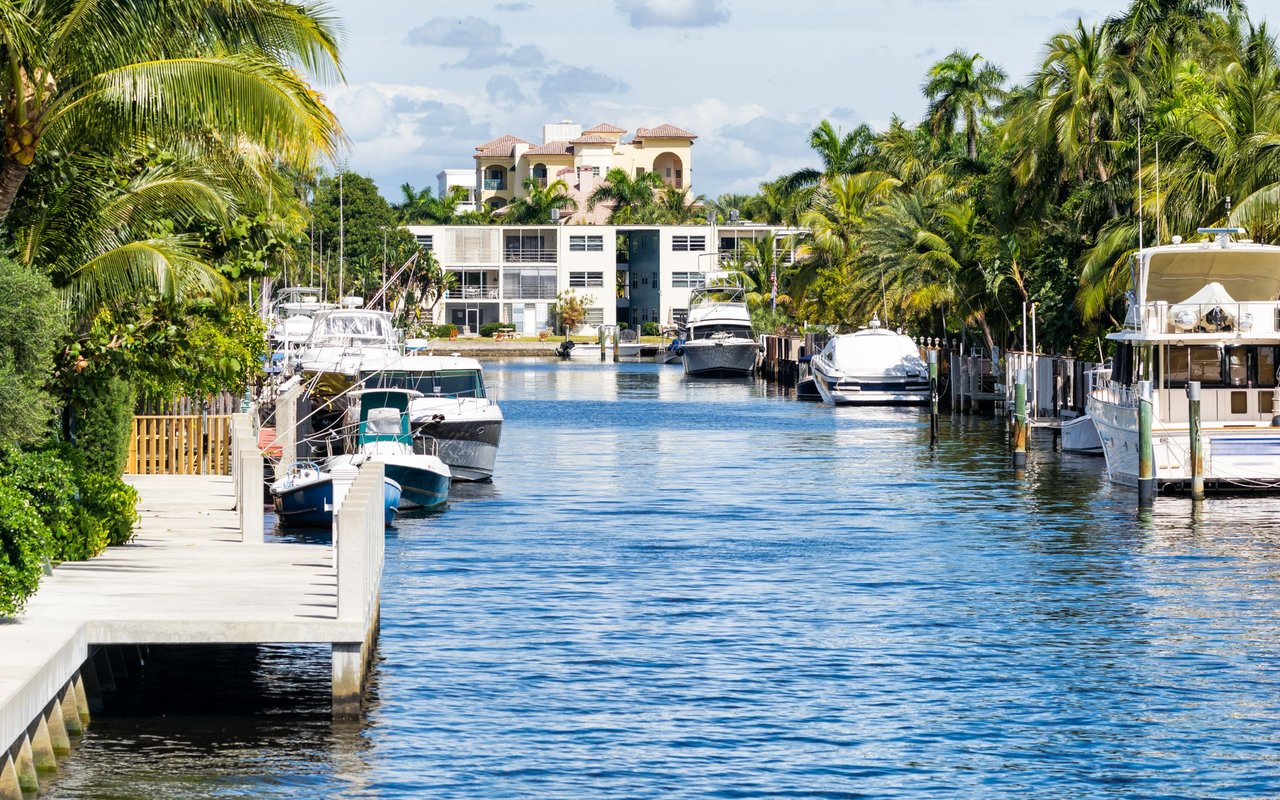
If boating access matters more than direct beachfront positioning, bay-side or pass-adjacent condos can offer a different kind of waterfront experience. These locations often appeal to buyers who want sheltered water, marina access, or proximity to boating services.
The Town’s Matanzas Pass Mooring Field has reopened after Hurricane Ian and includes 89 mooring balls for vessels up to 70 feet. It also offers pumpout service, showers, restrooms, laundry, and public dinghy docks, with groceries, restaurants, nightlife, lodging, and public transportation nearby.
For some buyers, this side of condo living feels more functional and connected to boating. It can be especially appealing if you want water access without making direct beach frontage your top priority.
Not every buyer wants immediate waterfront frontage. Inland-island condos may work well if your focus is convenience, recreation, and easier access to town services.
The town’s Culture, Parks & Recreation Department operates amenities including the Fort Myers Beach Community Pool and Bay Oaks Recreational Center. Bay Oaks includes tennis, softball, disc golf, pickleball, basketball, a playground, and a natural area.
That gives inland-island living a different value proposition. You may give up direct water views, but you could gain easier day-to-day access to recreation and local services.
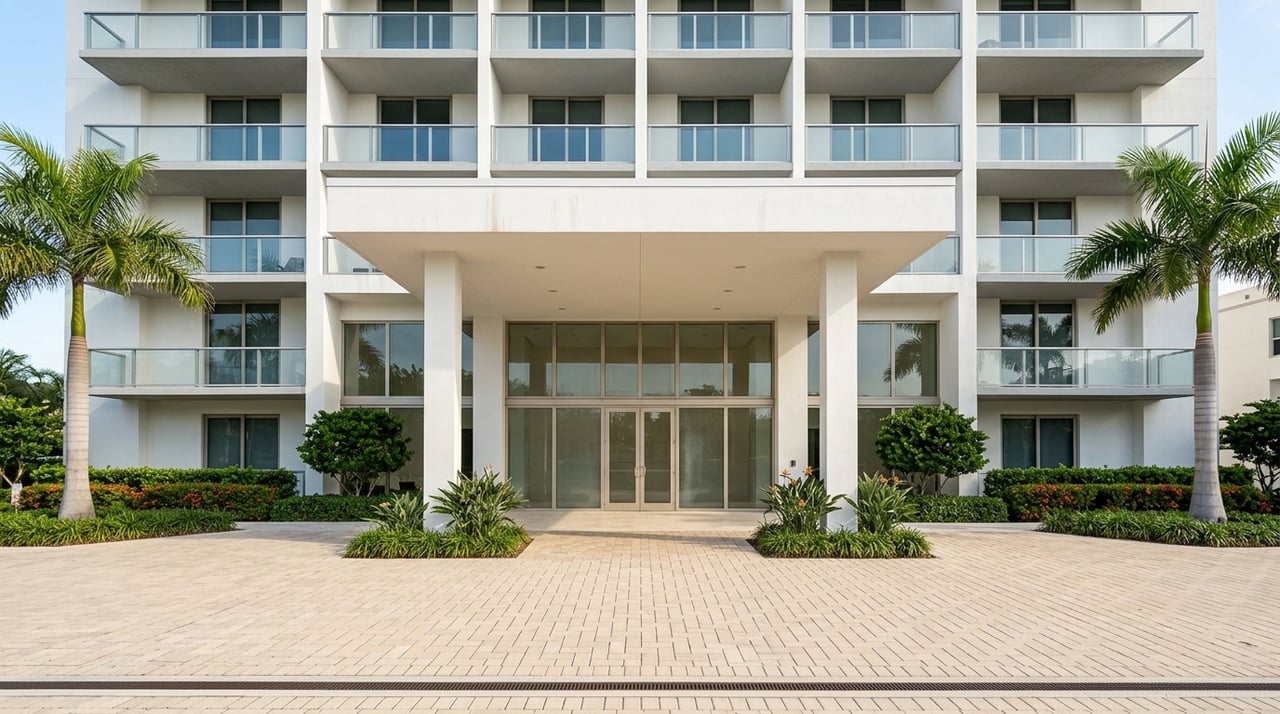
One of the most important condo questions in Fort Myers Beach is simple: How tall is the building? In Florida, milestone inspection and structural integrity reserve requirements generally apply to condominium buildings that are three habitable stories or higher.
Buildings below that threshold are generally outside those state requirements. That means a low-rise condo and a taller condo may come with very different due diligence demands, long-term budgeting expectations, and document review needs.
If you are comparing buildings, do not treat them all the same. A three-plus-story building may require a deeper review of inspections, reserves, and repair planning than a lower-rise option.
When you buy a condo in Florida, you are not just buying the unit. You are also buying into the association’s rules, budget, maintenance obligations, and reserve strategy.
Under Florida condominium law, the association is responsible for maintenance, repair, and replacement of the condominium property it is responsible for under the declaration. Boards may also adopt hurricane-protection specifications that comply with the building code, which is especially relevant in a coastal market.
That makes the document review stage critical. The declaration, bylaws, rules, annual budget, and financial statements can tell you as much about future ownership costs as the listing itself.
Florida law gives condo buyers important disclosure rights. A prospective purchaser is entitled to current copies of key governing and financial documents, including the declaration, articles of incorporation, bylaws and rules, annual financial statement and budget, and certain inspection-related documents when applicable.
If the building is subject to milestone inspection or structural integrity reserve study requirements, the buyer may also be entitled to the milestone-inspection summary, the most recent structural integrity reserve study, and the turnover inspection report if applicable. For contracts entered after December 31, 2024, these disclosures can affect voidability rights if they are not delivered.
In practical terms, that means you should ask for documents early and review them closely. A condo that looks ideal on the surface may raise concerns once you see reserve funding, inspection findings, or pending repair obligations.
A milestone inspection is a structural inspection of load-bearing elements and primary structural systems. It is not a full code-compliance review, and it is generally required for buildings that are three habitable stories or higher when they reach 30 years of age.
In areas near salt water, a local enforcement agency may require the timeline to start at 25 years. In Fort Myers Beach, that coastal exposure makes this timeline especially important to confirm during your due diligence.
A structural integrity reserve study, often called a SIRS, is a budget-planning tool that identifies association-maintained components and the funding needed for future repairs. According to Florida’s condo guidance, this requirement applies to residential condo buildings that are three habitable stories or higher.
Required reserve items include the roof, structure, fireproofing and fire protection systems, plumbing, electrical systems, waterproofing and exterior painting, windows and exterior doors, plus other qualifying items with deferred maintenance or replacement costs above $25,000 that affect those systems.
For buyers, the takeaway is clear. You want to know whether the building has completed the required studies, what the findings were, and whether future repairs or reserve shortfalls could affect your costs.
Flood risk is central to Fort Myers Beach condo ownership. The town states that the entire town is in a Special Flood Hazard Area, and flood insurance is mandatory if the property is in that area and has a federally backed mortgage.
The town also explains that flood zones are not all the same. VE zones are more restrictive than AE zones, and the newer maps effective November 17, 2022 added a Coastal A Zone and LiMWA, both of which can affect renovation standards and insurance pricing.
This is why you should verify the exact address rather than rely on a broad description like beach-side or bay-side. Two buildings on the same island can carry different flood and compliance profiles.
The town recommends using the exact property address to verify flood information and notes that flood zones and evacuation zones are not the same thing. That distinction matters because buyers sometimes assume one automatically explains the other.
When you compare condos, ask specifically about the building’s flood zone, base flood elevation, and expected insurance requirements. Those details can shape both ownership costs and future renovation options.
If you are buying with plans to update the unit, be careful not to treat remodeling as a simple cosmetic project. The town states that condo remodeling almost always requires a permit because work can affect other units in the building.
There is also an important floodplain rule to understand. If repair or improvement costs exceed 50 percent of a structure’s market value, the building must be brought into current floodplain standards.
That can make a renovation far more expensive and complex than expected. Permit history, prior substantial-damage determinations, and any engineer or contractor input should be part of your review before you close.
For seasonal buyers, rental rules can be just as important as the view. The Town says all rental properties on Fort Myers Beach must be registered with the Town.
Condo associations can opt out of the town’s short-term-rental enforcement program, but that opt-out applies to the entire building, not just individual units. Operating without valid registration can lead to enforcement action.
If you plan to rent the condo, confirm two things early. First, make sure the building allows the type of rental use you want. Second, verify the building’s registration and compliance status with the Town.
A smart Fort Myers Beach condo search usually comes down to a focused set of questions. Before you move forward, make sure you have clear answers to the following:
These questions help you move beyond the listing photos. They also help you compare buildings on the issues that can most affect your ownership experience.
Fort Myers Beach offers a distinctive coastal condo lifestyle shaped by beach access, boating, recreation, and a strong connection to the water. But in this market, the best purchase decisions come from balancing lifestyle goals with careful review of building condition, flood exposure, reserves, and association rules.
If you are considering a condo here, it helps to work with an advisor who understands how to evaluate not just the unit, but the building and the ownership structure behind it. For personalized guidance on Southwest Florida condo living, reach out to Holly Fagan.
Let Holly guide you through your home buying journey, contact me today!