Marco Island vs Naples: Choosing Your Second Home
Wondering whether your second home belongs on Marco Island or in Naples? You’re not alone. Both offer sun, sand and Gulf access, but the day-to-day lifestyle, boating routes, property mix and rental rules feel different once you dig in. By the end of this guide, you’ll understand those differences clearly and know the steps to choose with confidence. Let’s dive in.
Marco Island gives you a compact, island-first lifestyle with a high share of condos and canalfront homes. The population skews older and more seasonal, which shapes a quieter summer and a winter high season that draws snowbirds and long-stay renters. You can confirm these patterns in local demographics from U.S. Census QuickFacts for Marco Island.
Naples is larger and more varied. You’ll find walkable downtown districts, more arts and dining, and everything from modest condos to ultra-luxury waterfront estates in areas like Port Royal. For market context, the Naples Area Board of Realtors reported a December 2025 overall Naples median closed price of roughly $570,000, with notable strength at the high end. Remember that NABOR’s statistics exclude Marco Island, so compare each market separately.
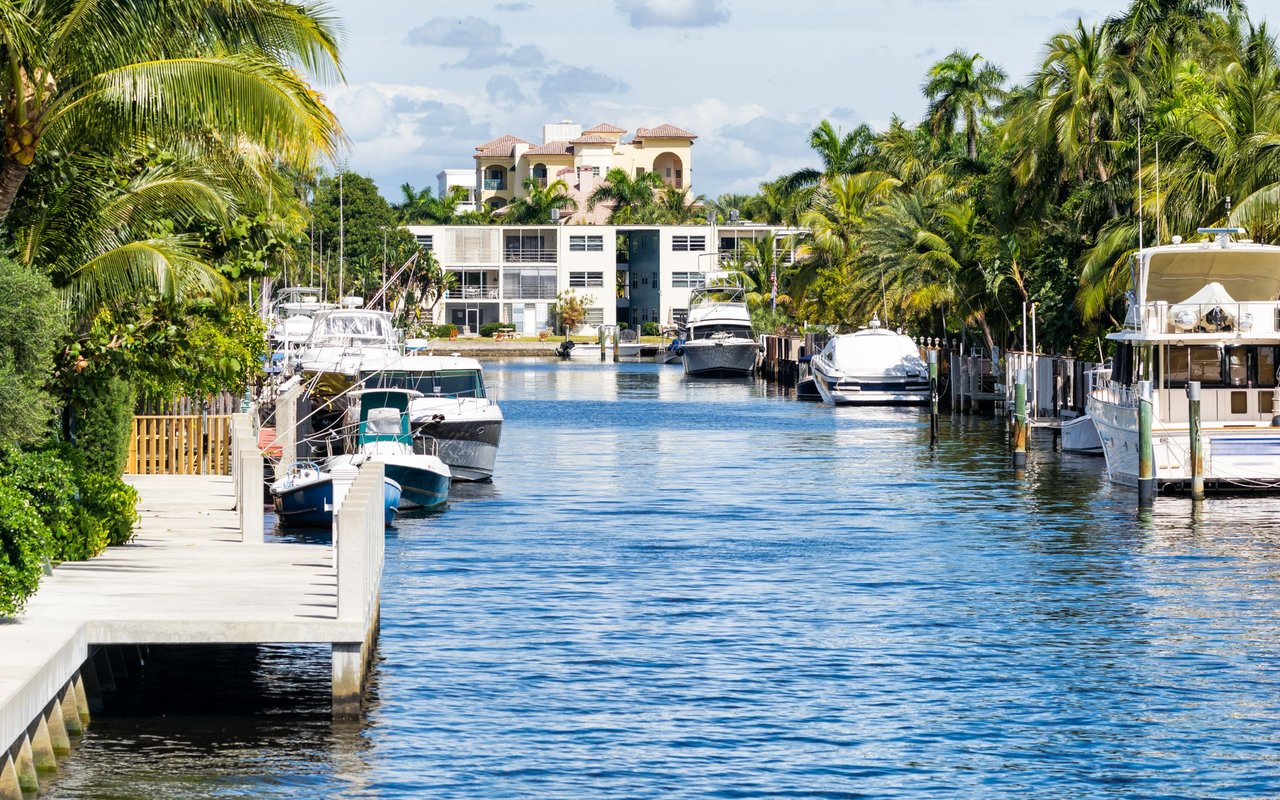
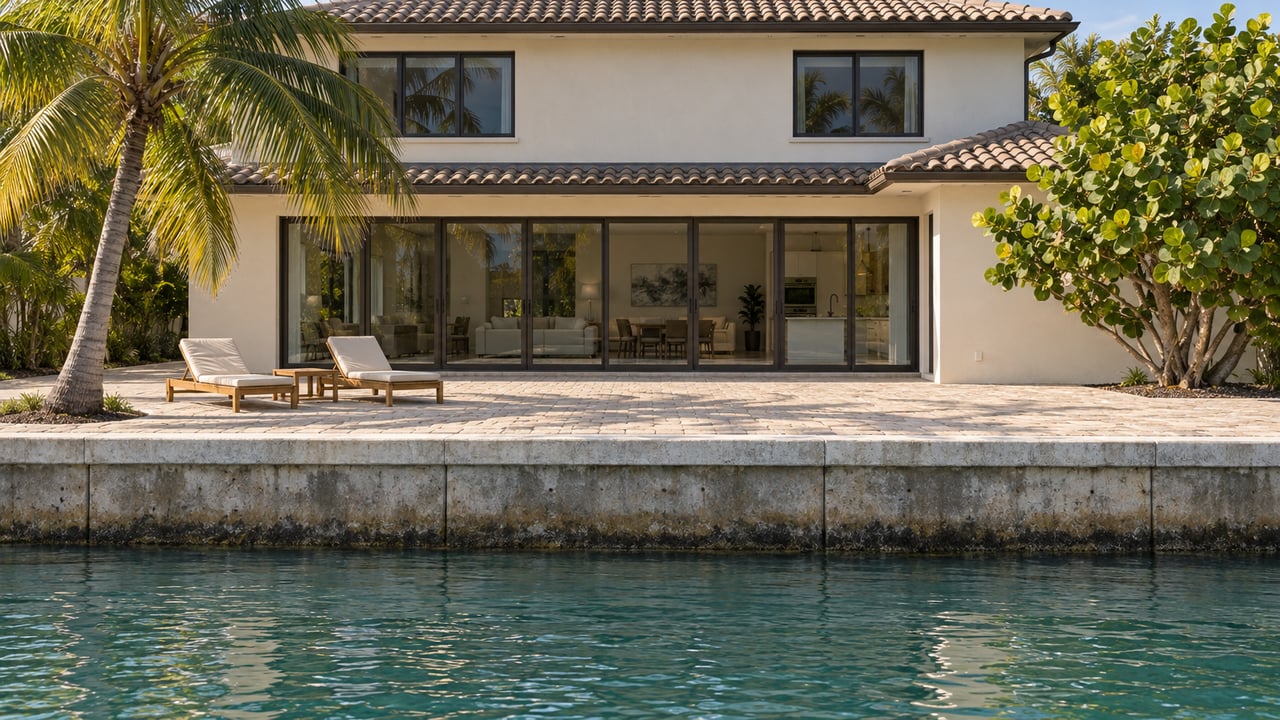
If boating is your priority, Marco Island is built for it. The island’s canal network and southern access through Caxambas Pass make runs to the Gulf and the Ten Thousand Islands feel direct and simple. Public facilities like Caxambas Park & Marina provide launch, fuel and convenience for day trips, as outlined in this overview of area marinas and boat launches. Many owners keep lifts at home and focus due diligence on canal depth, bridge clearances, and seawall condition.
Naples offers a broader set of marinas and yacht services, plus downtown bayfront access. Naples Bay funnels to the Gulf through Gordon Pass, and the Naples City Dock anchors a well-known marina corridor. If you want a city-and-bay vibe with multiple slip options and quick access to dining, Naples checks that box.
Marco Island’s beaches are wide and beautiful, with popular access points at South Marco and Tigertail. Public parking and access can be more limited compared with larger mainland beach parks, so confirm how guests will access the beach from your specific address or association. Naples offers more beach and park options along the coast, tied to a larger amenity base.
Short-term rental rules in Collier County depend on where the property sits. The county requires registration for short-term vacation rentals located in unincorporated Collier, but properties inside the City of Marco Island and the City of Naples are exempt from the county’s registration requirement. Owners in those cities must still follow state rules and any association restrictions. Always verify the property’s municipal status using official records. Review the county overview on Collier’s STVR registration page.
Short stays typically require you to register for and collect Florida sales tax and remit the Collier County Tourist Development Tax on transient rentals. Collier’s TDT has been 5 percent in recent reporting, and local discussions have included the option of a future increase by ballot. Some platforms collect certain taxes automatically, but you remain responsible for correct registration and remittance. See the Florida Department of Revenue’s forms and references on sales and transient rental taxes.
Florida’s homestead exemption and Save-Our-Homes assessment cap apply to your primary residence only. Second homes and investment properties do not receive those benefits, so plan for a higher taxable assessed value than a primary residence might have. If you intend to become a Florida resident, consult the county property appraiser for filing requirements and deadlines.
Rental demand and average daily rates peak in winter, roughly December through April. Summer demand softens with heat and storm season. If revenue is part of your plan, model occupancy and rates by month and confirm HOA or condo rental rules before you buy.
Both Marco Island and Naples sit in coastal hurricane and flood exposure zones. Many waterfront parcels fall into FEMA Special Flood Hazard Areas, which often require flood insurance when financing. Before you make an offer, check the property’s FEMA flood map panel and Base Flood Elevation, and request an elevation certificate when applicable. For a simple overview of Florida flood zones, browse this FEMA/NFIP summary resource.
Florida’s wind and coastal insurance markets can be volatile. Get multiple quotes early for homeowners, wind and flood coverage, and budget for features that can improve insurability, like newer roofs, shutters, or elevated systems. For waterfront homes, add seawall inspection and permitting history to your checklist.
Choose Marco Island if you want a true island rhythm, simple Gulf runs and a higher share of condo options alongside canalfront homes with lifts. You trade a bit of mainland convenience for quick access to water and a concentrated set of shops and restaurants.
Choose Naples if you want a broader amenity base, downtown dining and galleries, and a wider spread of property types and prices. Waterfront estates, walkable condos near the beach and diverse marina choices make it easy to match a specific lifestyle and budget.
Use this list for each property you consider:
Ready to talk through neighborhoods, slip options or rental timelines that match your goals? Reach out for tailored guidance, private showings and a clear plan from first look to closing. Connect with Valarie Tillman to get started.
Let Holly guide you through your home buying journey, contact me today!