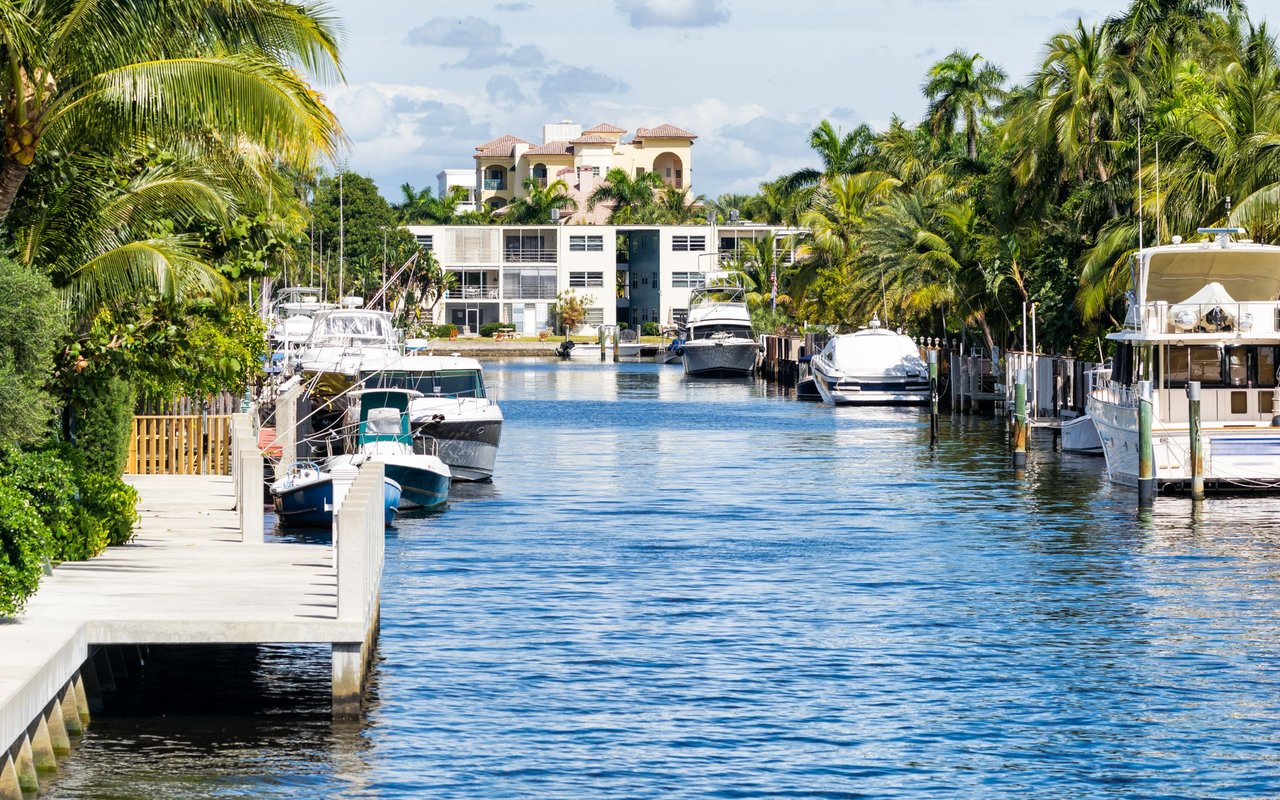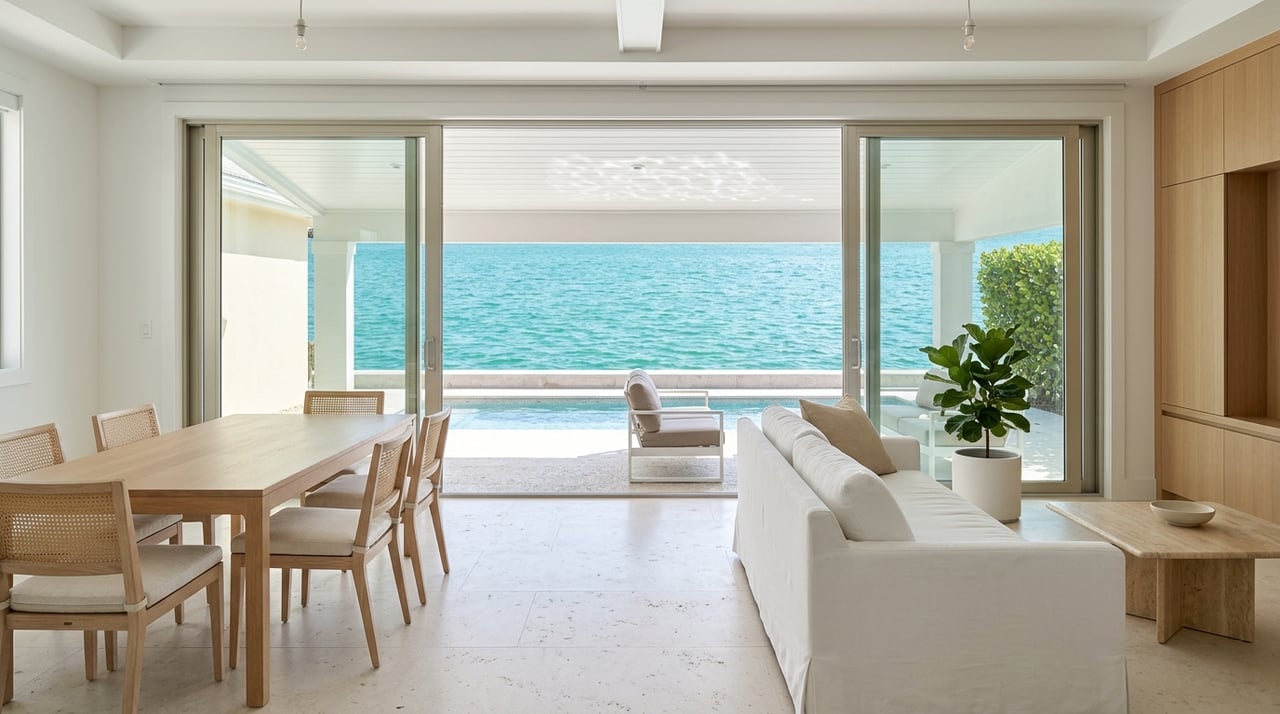
Marco Island Waterfront Investment Homes & Retreats
If you are dreaming about a waterfront escape that can also help offset ownership costs, Marco Island deserves a closer look. Buyers are often drawn here for the boating, beach access, and seasonal lifestyle, but the numbers also point to a market with real rental demand during the strongest travel months. When you understand how seasonality, pricing, and local rules work together, you can make a much smarter purchase. Let’s dive in.
Marco Island is well suited to buyers who want both personal enjoyment and some rental income potential. The city describes the island as having six miles of beach and more than 100 miles of waterways, with a permanent population of 16,521 that rises to about 40,000 during peak winter season, according to the City of Marco Island. That kind of seasonal population swing matters if you are thinking about a second home that may not be occupied by you year-round.
Tourism is also a major part of the broader local economy. Collier County reports that tourism supported more than 32,000 jobs and that in 2024, more than 2.7 million visitors spent $2.8 billion in the region, generating more than $3.95 billion in total economic impact. For you as a buyer, that helps confirm that visitor demand is not a side story here. It is part of the area’s economic foundation.
One of the most important things to understand is that Marco Island is not a flat, year-round income market. The strongest demand tends to arrive in winter and early spring, when visitors are seeking warm weather and coastal access.
According to the Paradise Coast March 2025 visitor report, Collier County recorded 256,500 visitors, 267,100 room nights, and hotel occupancy of 77.0% in March 2025. Overall lodging occupancy was 74.2% for March and 72.1% for January through March 2025. While those figures are countywide and not limited to Marco Island, they offer a strong snapshot of seasonal travel patterns affecting the area.
Marketplace data shows the same trend. AirROI’s Marco Island data for April 2025 through March 2026 estimated average annual Airbnb revenue of $39,820, an average daily rate of $451, occupancy of 34.5%, and an average booking lead time of 81 days. AirROI identified February as the top revenue month, with February through April as peak season and August through October as the softest period.
The takeaway is simple: winter bookings do much of the heavy lifting. If you are evaluating a waterfront home here, it makes sense to think of rental income as concentrated and seasonal rather than steady every month of the year.
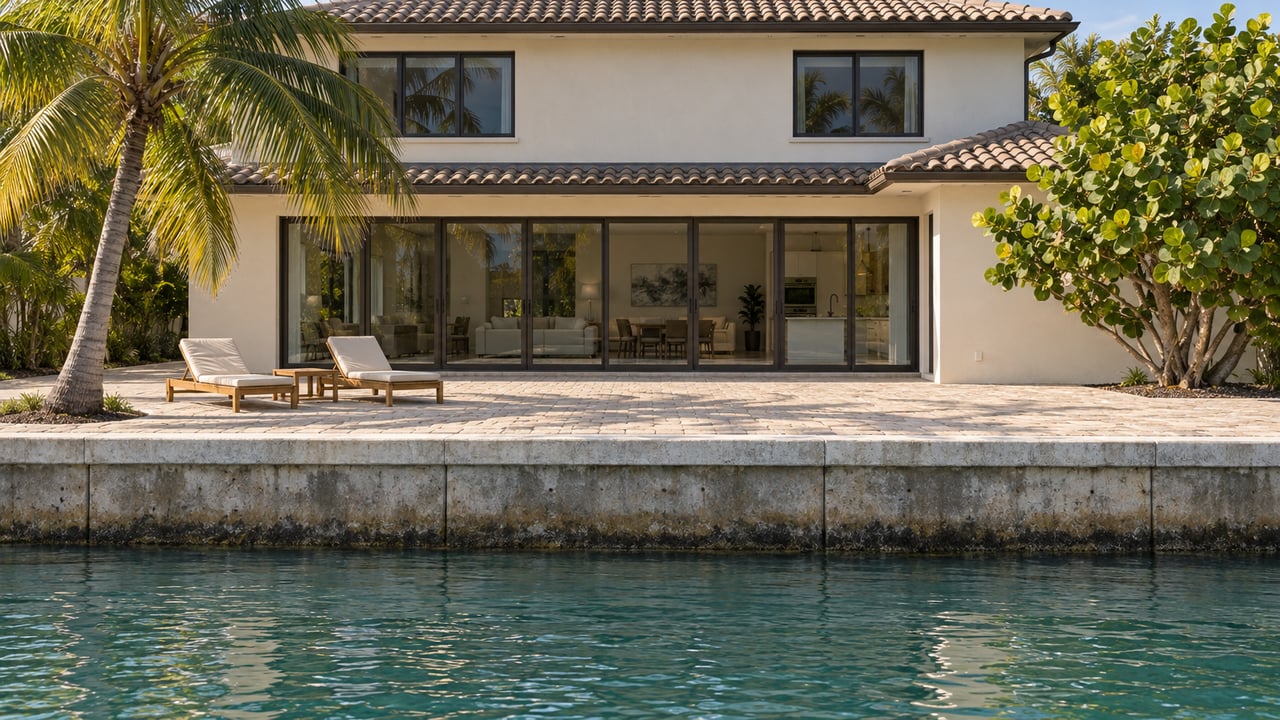
On Marco Island, the waterfront premium is not subtle. Buyers pay materially more for direct-waterfront properties, and that price gap has remained consistent across market reports.
In the January 2025 12-month market report, direct-waterfront single-family homes averaged $3,063,195. Indirect waterfront averaged $1,886,136, while inland homes averaged $1,065,379. In the same report, direct-waterfront condos averaged $680,705 compared with inland condos at $430,654.
The pattern held again in March 2025. Direct-waterfront single-family homes averaged $3,157,307, indirect waterfront averaged $1,951,671, and inland homes averaged $1,101,536, based on the same January 2025 market report source. Waterfront condos also continued to show a premium, with direct waterfront averaging $681,676 versus inland condos at $431,858.
That pricing spread matters because it shapes your ownership strategy. A direct-waterfront home may offer stronger lifestyle appeal and a more premium rental position, but it also requires a larger upfront investment.
If you are looking beyond short-term rental income, Marco Island also shows meaningful long-term price growth. In the same January 2025 market report, the island’s overall 12-month average sales price rose from $791,899 in 2019 to $1,485,070 in 2025.
That is roughly an 88% increase over that span. While that figure reflects the overall island market rather than waterfront only, it still helps show that Marco Island has experienced substantial appreciation in recent years. For many buyers, that supports the idea of purchasing with a longer holding period in mind.
Inventory figures also suggest a more patient ownership horizon. In January 2025, direct-waterfront single-family homes had 10.30 months of supply compared with 8.03 months for inland homes. In March 2025, direct-waterfront supply rose to 11.79 months versus 7.05 months for inland homes, according to the same market report data. In plain terms, waterfront homes tend to be higher-value assets that can move more slowly.
Not every waterfront home performs the same way. The most attractive properties often combine location with amenities that make the home easy to enjoy for owners and appealing for seasonal guests.
Based on current waterfront listing patterns highlighted in the research, common premium features include:
These features are part of Marco Island’s waterfront value language. A home does not need all of them to be desirable, but the closer a property aligns with how buyers and renters use the island, the stronger its appeal may be.
Marco Island is relatively permissive for single-family vacation rentals, but that does not mean ownership is hands-off. According to the city’s vacation rental guidance, there is no city registration process, and the city does not impose duration or frequency limits on vacation rental stays in single-family homes.
That said, the same city guidance makes an important point: condo associations and homeowners associations may set their own restrictions. This is especially relevant on Marco Island, where condo inventory is a major part of the housing mix. If you are considering a condo or a home within an association, you will want to review those rules very carefully before you buy.
Owners must also register with the state Department of Business and Professional Regulation, the Florida Department of Revenue, and the County Tax Collector, according to the same city information page. On top of that, Collier County levies a 5% tourist development tax on stays of six months or less.
For you, this means the opportunity is real, but so is the operational side. Tax filing, guest management, vendor coordination, and rule compliance should all be part of your planning from the start.
The most realistic approach is to view a waterfront purchase here as a lifestyle property with supplemental income, not a fully passive investment. That framing fits the data better than a pure cash-flow model.
A smart buying process usually includes questions like these:
Because booking lead times can be long and revenue is concentrated in peak season, planning matters. If you buy the right property at the right price, your winter rental window may help offset expenses while preserving the lifestyle benefits that drew you to Marco Island in the first place.
A purchase like this is about much more than finding a beautiful home online. You are balancing personal use, resale potential, seasonal demand, pricing tiers, and property-level restrictions. That is especially true in a luxury waterfront market where values vary sharply between inland, indirect waterfront, and direct-waterfront homes.
When you work with a trusted local advisor, you can evaluate each property through both a lifestyle lens and a financial one. That includes understanding current pricing, narrowing in on features that support long-term appeal, and avoiding surprises tied to association rules or operational complexity.
If you are considering a Marco Island waterfront property as your own seasonal retreat with income potential, Valarie Tillman can help you evaluate the opportunity with clarity, local insight, and personalized guidance.
Let Holly guide you through your home buying journey, contact me today!