Park Shore Condo Trends for High-Rise Buyers & Sellers
What if the difference between a good Park Shore condo and a great one is hidden in the stack, the view angle, or a single line in the condo docs? If you are buying or selling a high‑rise in Park Shore, small details can shift price, timing, and leverage in a big way. In this guide, you will learn what drives value in Park Shore towers, how to quantify premiums, what to check in due diligence, and how seasonality affects your strategy. Let’s dive in.
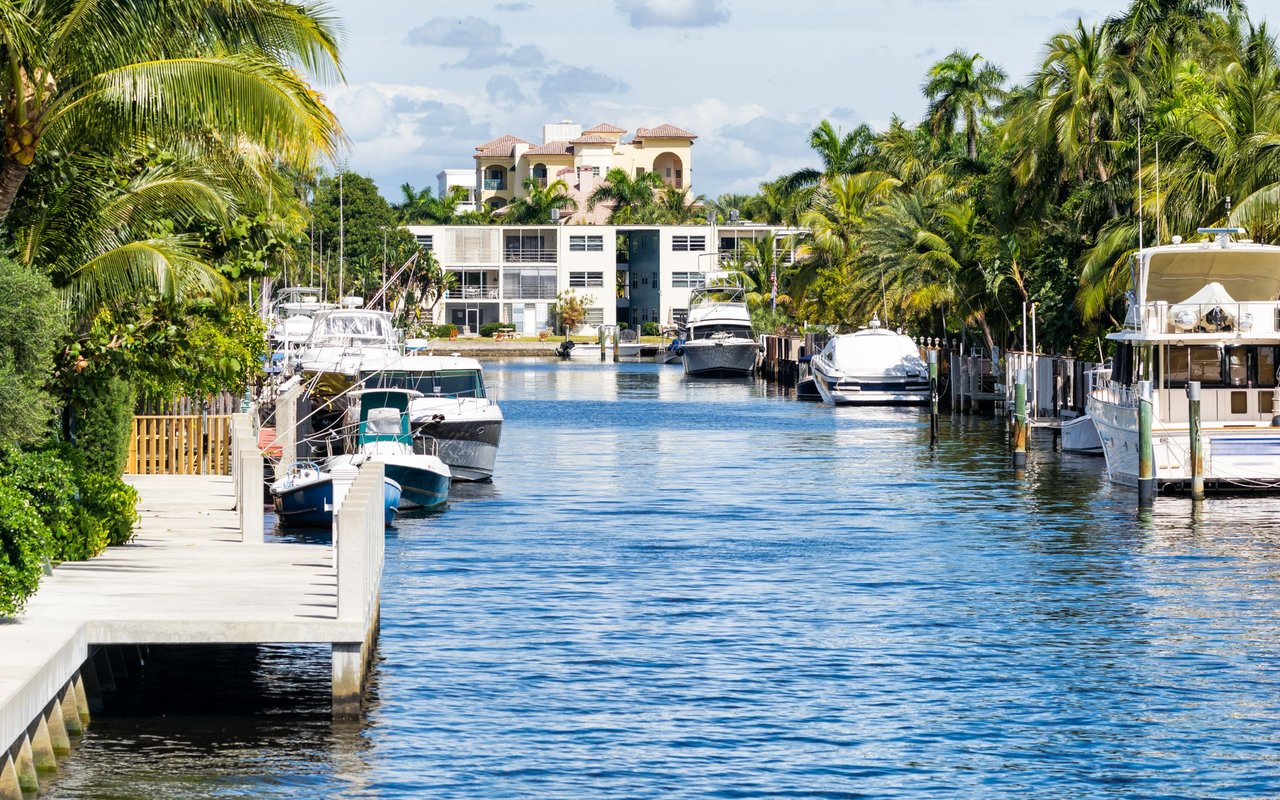
Park Shore is a luxury high‑rise market on the Naples coast. Inventory is finite because new towers are rare, so condition, stack, and view stand out. Buyer demand comes from second‑home and seasonal buyers, local luxury buyers, and some investors who must follow each building’s rental rules.
Seasonality matters. Activity and inventory often rise from November through April, which can change days on market and negotiation power. Cash is common in the luxury segment, yet interest rates still influence financed buyers and can slow price growth at the margins.
You should also factor in building insurance and safety rules. Since 2021, associations face tighter inspections, more focus on reserves, and higher insurance costs. That can raise dues or lead to special assessments. Flood zones, recertification schedules, and condo governance are part of the Florida coastal high‑rise landscape and should be in your plan.
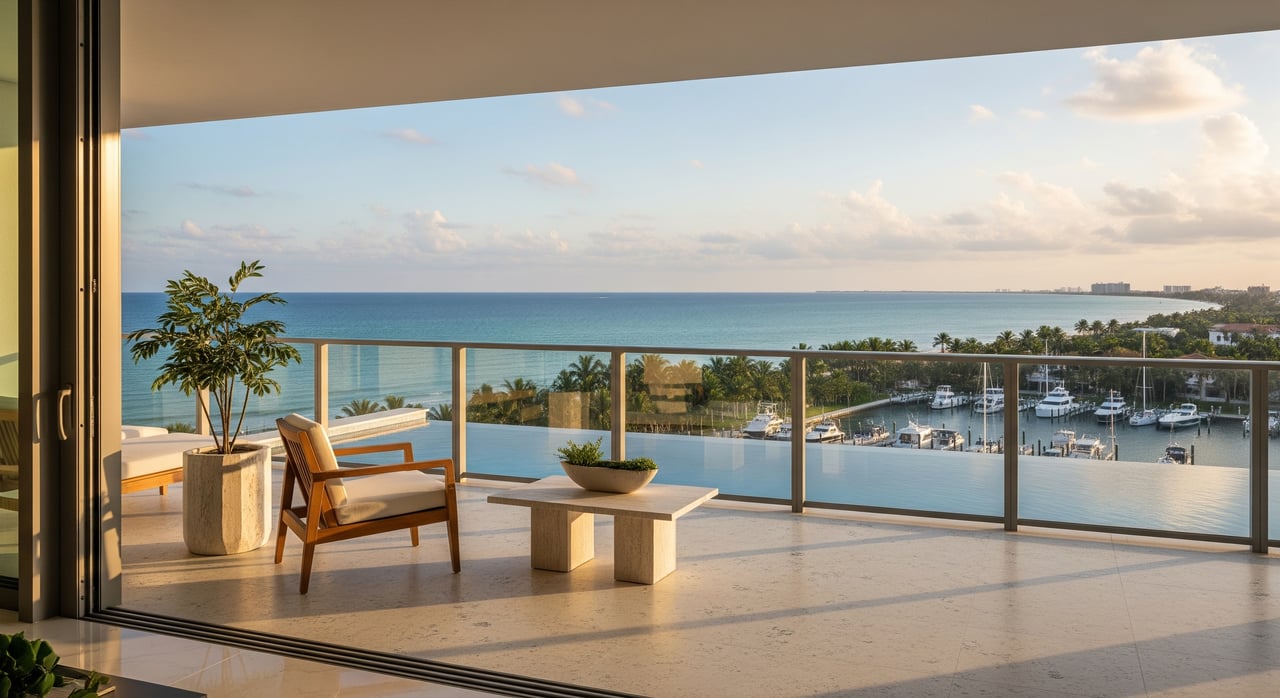
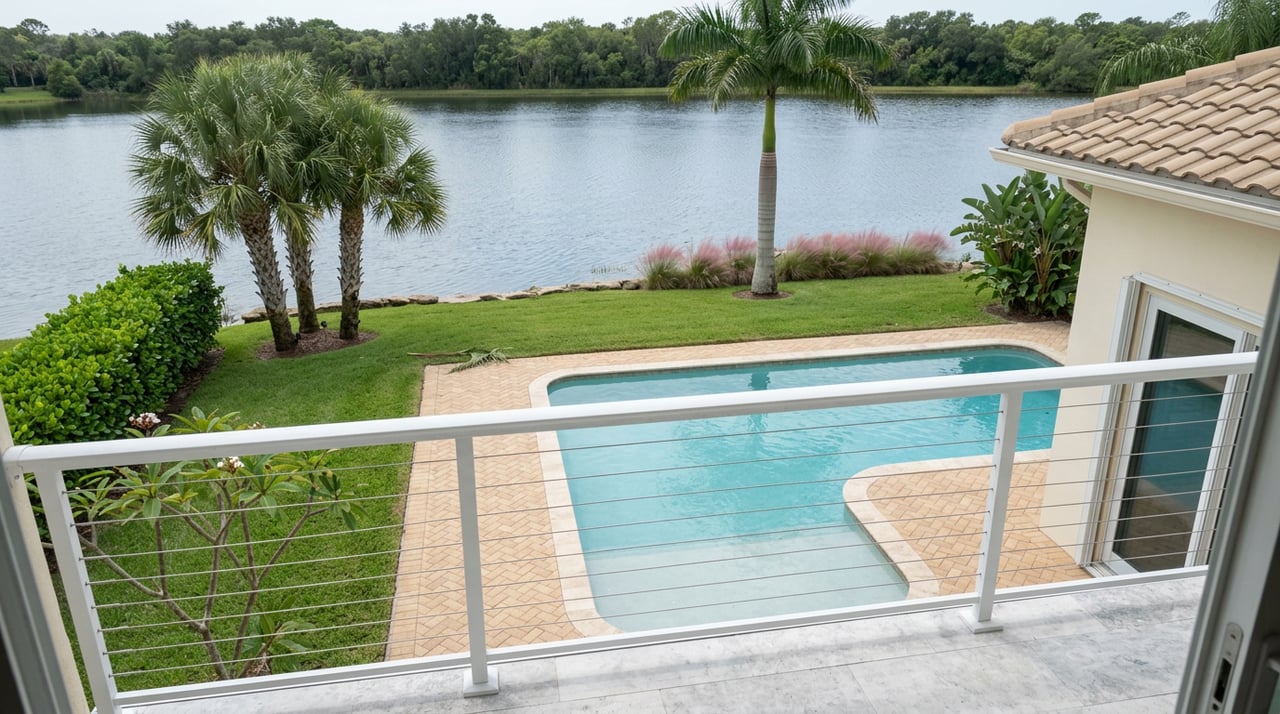
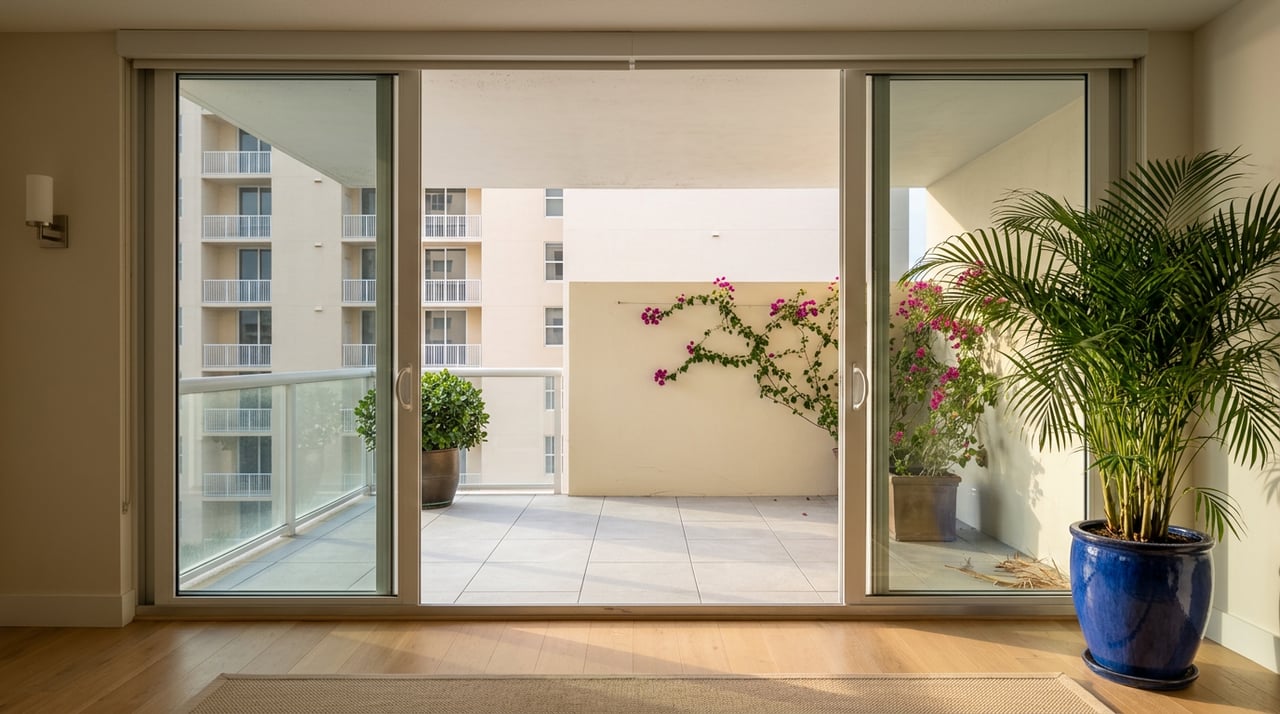
Not all water views are the same. Value steps up from direct Gulf views, to wide water or bay views, to partial water, then to city or courtyard views. Distance to shoreline, nearby building obstructions, and the angle of exposure all influence price per square foot.
Turnkey, high‑end renovations usually sell faster and at a premium compared with units that need work. Buyers often pay more to avoid major projects involving kitchens, baths, windows, and mechanicals. The cleanest way to prove the premium is to compare near‑identical recent sales in the same building and stack.
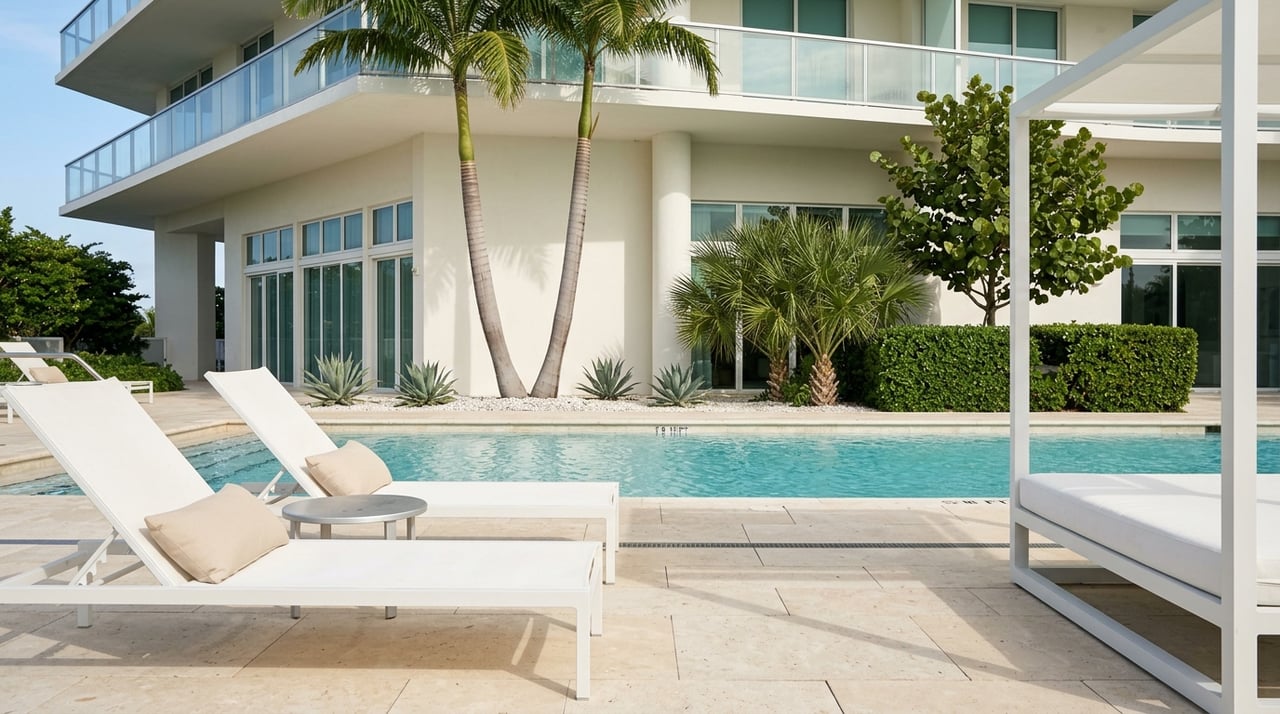
Private beach access, a beachfront or Gulf‑front pool, concierge or valet, on‑site security, fitness centers, social rooms, covered or assigned parking, storage, boat slips where applicable, and guest suites all support higher pricing. Full‑service buildings often have higher dues, yet many buyers willingly trade higher monthly costs for convenience and service.
Buyers watch HOA budgets, reserve funding, and assessment history closely. Low dues are not always better. Underfunded reserves can point to near‑term assessment risk, which can push buyers away or reduce offers. Strong reserves and transparent planning can support price and speed.
Deeded or covered parking, private garages, and separate storage rooms add clear value and should be featured in marketing and comps.
More flexible rental rules can help investor demand and yield. Some owner‑occupants prefer tighter policies. Understand the policy fit for your goals because it shapes demand and pricing.
An older building with solid capital improvements and healthy reserves can compete with newer product. Buildings with deferred maintenance or pending major projects often trade at a discount.
Pricing a Park Shore tower unit is not a one‑size exercise. Use a few simple methods to bring clarity.
Tip: For the most current numbers, pull monthly reports and MLS data focused on Park Shore towers. Use 12–24 months for near‑term trends and 3–5 years to smooth volatility. Always note your sample size and date window when citing premiums or days on market.
High season in Naples runs roughly November through April, when more buyers are in town and inventory also grows. Listing in season can bring more showings. If your buyer is likely a second‑home or seasonal buyer, timing to that window may improve exposure. Strong presentation helps you stand out among in‑season competition.
In season, you will see more options but also more competition. Off‑season can present motivated sellers and quieter negotiations, though choices may be limited. Your best strategy is to anchor pricing to stack‑specific comps and be ready to move when the right view and floor combination appears.
Review these items before you commit. Ask for documents up front and read them closely.
If you are preparing to list, organize your package and your pricing story.
Florida coastal high‑rises operate under strict insurance and safety oversight. Since 2021, insurers and regulators have pushed for stronger reserves, more frequent inspections, and clear disclosure of capital needs. Expect higher master policy costs in many associations and confirm what the master policy covers versus your unit policy.
Flood risk is a key factor. Confirm flood zone, elevation, and whether flood insurance is required. Review any inspection or recertification milestones with the association or property manager, and factor any planned work into timing and price.
You deserve more than broad comps. You need stack‑level clarity, clean marketing, and a plan that fits Park Shore’s seasonality. You can request a custom high‑rise report, complete with stack comparisons and matched‑pair examples, plus a checklist for building documents. If you are buying from afar, you can also request video walk‑throughs and 360 tours to compare finishes and views side by side.
When you are ready, you can get a personalized home valuation or a buyer report tailored to your short list of buildings. That way, you can price with confidence or write a strong offer without overpaying for view or floor.
Ready to put a data‑driven plan to work in Park Shore? Connect with Valarie Tillman for a custom stack‑level analysis or to request your personalized home valuation.
Let Holly guide you through your home buying journey, contact me today!