Are you weighing a move to Bonita Bay and wondering exactly what you get for the HOA and club dues? You are not alone. In amenitized, gated communities, it can be hard to tell what is included, what is optional, and how it all impacts your monthly budget. In this guide, you will learn how Bonita Bay’s master HOA, sub‑associations, and the separate private club each work, what typical dues cover, and how to read budgets and reserves so you can judge value with confidence. Let’s dive in.
Bonita Bay structure: who charges what
Bonita Bay in Bonita Springs is a master‑planned community made up of multiple villages and condominium buildings. Most owners pay dues to both a master association and a sub‑association tied to their village or condo building.
Master association vs sub‑association
- The master association manages community‑wide infrastructure and shared services across Bonita Bay.
- Your sub‑association (village HOA or condo association) funds building or village‑level services, streetscapes, and components specific to that area.
- You will likely pay assessments to both, and each entity has its own budget, reserves, insurance, and rules.
Bonita Bay Club is separate and optional
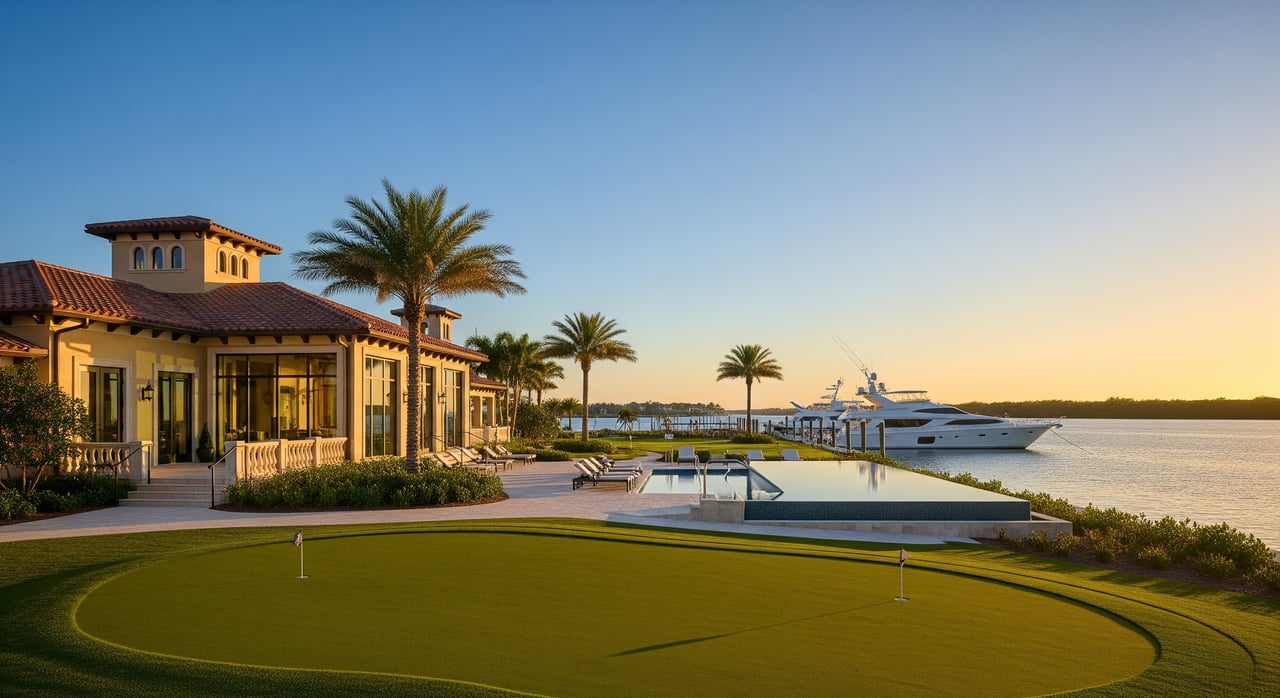
The Bonita Bay Club that operates golf, racket sports, fitness, dining, resort pools, and marina services is typically a separate membership organization. Club membership is usually optional and requires its own initiation fees and monthly dues, apart from HOA assessments.
Why structure matters for your budget
Different entities mean different line items and financial responsibilities. HOA dues and special assessments cover association obligations. Club fees fund member access to club amenities. Understanding who pays for what helps you compare homes, plan your lifestyle, and anticipate future costs.
What HOA dues usually cover in Bonita Bay
While each association sets its own budget, owners typically fund a mix of operating services and long‑term reserves through their master and sub‑association dues.
Operating services you fund
- Common‑area landscaping and irrigation for entrances, medians, parks, and community plantings
- Gatehouse staffing, access systems, and security technology
- Common utilities like exterior lighting, irrigation water, and gatehouse power
- Private roadway and sidewalk upkeep, including resurfacing, repairs, and sweeping where applicable
- Amenity operations when run by an HOA, such as village pools, fitness rooms, or courts (staffing, cleaning, and utilities)
- Community pest and mosquito control for shared spaces
- Insurance for common elements, including property and liability for community buildings and gatehouses
- Management and administrative costs, including accounting, legal, collections, and office expenses
- Contracted services for landscape, elevators in condos, maintenance vendors, and environmental compliance
Reserves and capital funding
- Scheduled reserve contributions for major components such as roofs (condos), roads, seawalls or shoreline structures, irrigation systems, pools, clubhouses, elevators, and paved surfaces
- Periodic reserve studies to set funding targets and replacement timelines
- Capital projects like lake dredging, seawall repair, or clubhouse renovations when reserves are not sufficient
A well‑funded reserve lowers the likelihood of special assessments and helps keep the community in top condition.
What dues usually do not include
- Interior homeowner insurance policies and personal flood insurance
- Utilities that serve your home or unit
- Private yard landscaping for some lot owners
- Cable or internet unless your association has a bulk contract
- Boat slips, marina storage, or related utilities and maintenance
Special assessments: when and why
Associations may levy special assessments for unplanned repairs, insurance shortfalls, or capital projects not fully funded by reserves. The frequency and size depend on reserve health, recent maintenance, and insurance conditions.
Club membership: what you get and how it affects costs
The Bonita Bay Club typically offers golf, racket sports, fitness and classes, resort‑style pools, dining, social programming, and marina services. Membership tiers commonly range from social or sports to full golf, each with different access levels.
Fee components to expect
- One‑time or periodic initiation fees
- Monthly dues based on membership tier
- Potential food and beverage minimums
- Cart or greens fees depending on tier
- Guest fees, plus optional costs for lessons, clinics, and events
- Separate slip rental, ownership, or transient dockage fees for marina use
Weighing lifestyle value vs cost
- If you golf, dine, play pickleball or tennis, and enjoy group fitness, club access can be a strong value.
- If you will visit a few times a season, the added monthly dues may not make sense.
- Consider resale appeal. Active club life can attract future buyers, but initiation fees and dues should be part of your exit strategy.
How to read budgets and reserves like a pro
Strong financials help keep dues predictable and amenities well maintained. Use these steps to assess value and risk.
Documents to request
- Current operating budget and prior year actuals
- Most recent reserve study and reserve funding plan
- Recent financial statements and any CPA review or audit
- Board meeting minutes for the past 12 to 24 months
- CCRs, bylaws, and rules
- Insurance declarations showing limits and deductibles for common elements
- Large vendor contracts for security, landscape, and management
- Assessment history and any pending special assessments
- Litigation disclosures
- Estoppel letter at purchase to confirm balances and status
Budget lines that matter
- Operating surplus or deficit to see if dues cover recurring costs
- Reserve contributions to confirm long‑term funding
- Major line items: landscaping, security, and insurance typically dominate
- Legal and collection costs; spikes can signal disputes or aging receivables
Reserve adequacy signals
- A recent, professionally prepared reserve study with a clear schedule of components and replacement dates
- Steady funding that tracks upcoming big items like roofing, roads, seawalls, elevators, and mechanicals
- A transparent plan for near‑term projects
Red flags that deserve follow‑up
- No recent reserve study or minimal reserve funding
- Frequent or large special assessments
- Significant pending litigation
- Rapidly rising insurance premiums or very high deductibles
- Large legal or single‑bid vendor expenses without detail
Smart questions to ask
- What does the master association cover vs the sub‑association and the club?
- Which capital projects are planned in the next 3 to 5 years, and how will they be funded?
- How have dues changed over the last 5 years?
- Are there known infrastructure issues such as seawalls, dredging, or structural repairs?
- What are the association insurance deductibles after a hurricane claim?
- For condos: which parts of building and interior coverage are the owner’s responsibility?
Coastal Florida factors to keep in mind
Marina, seawalls, and dredging
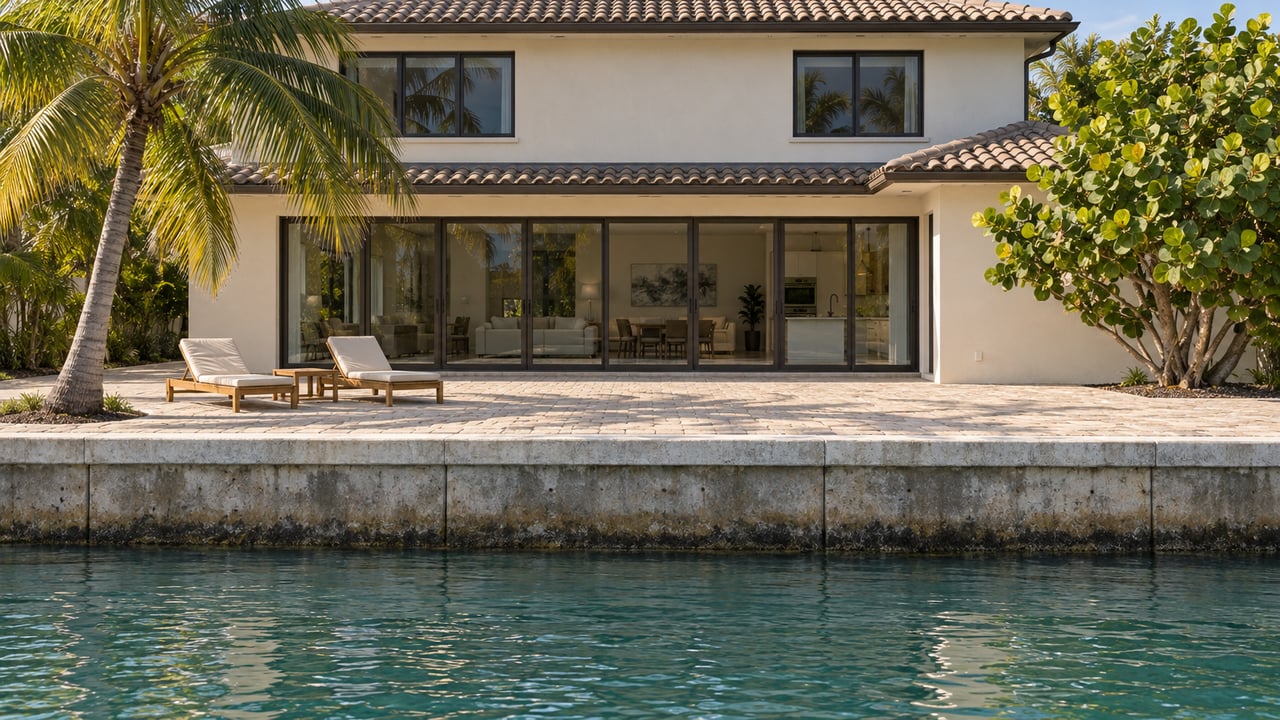
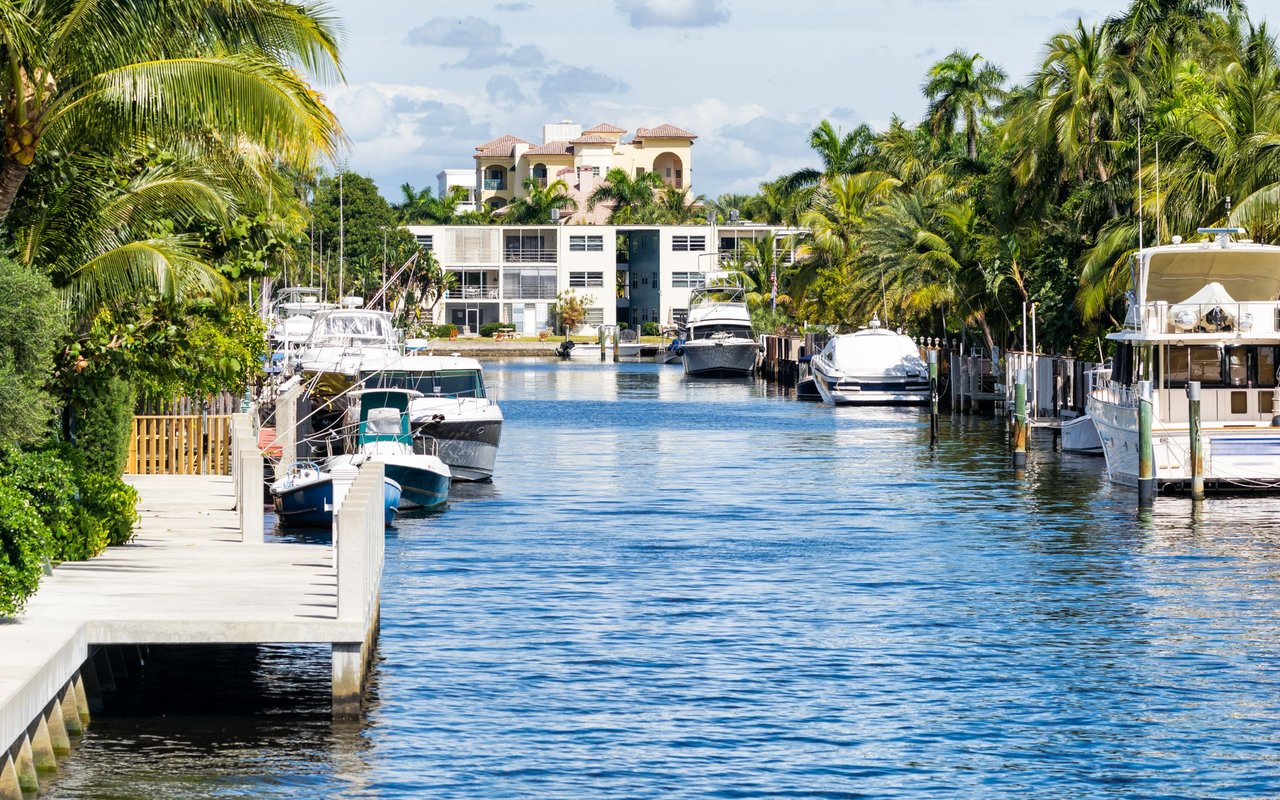
Waterfront infrastructure can be a major capital item. Clarify who is responsible for marina structures, seawalls, and dredging in the areas you are considering. Responsibility can rest with the master association, a sub‑association, the club, or a separate marina entity.
Insurance and storm planning
Coastal associations often face higher property insurance costs and meaningful deductibles for windstorm events. Confirm coverage for common elements and understand how deductible responsibilities could impact owners after a claim.
Lakes, stormwater, and environmental permits
Many south Florida communities maintain stormwater systems and lakes. Budget lines for lake maintenance and environmental compliance are normal and help protect property and infrastructure.
Taxes and separate fees
Property taxes and any special taxing districts are separate from HOA or club dues. Verify tax status with local records and include taxes in your total carrying cost estimate.
Compare your total monthly cost
Building a simple model helps you compare options across villages and membership tiers.
- Monthly HOA dues (master plus sub‑association)
- Plus annual club dues divided by 12 if you plan to join
- Plus property taxes divided by 12
- Plus your homeowner and flood insurance premiums divided by 12
- Plus average utilities and a maintenance allowance
- Consider spreading any club initiation fee over your expected years of ownership for an apples‑to‑apples comparison
Quick buyer checklist for open houses
- Get the master and sub‑association budgets, reserve study, and past 12 months of financials
- Ask about planned projects: roads, roofs, seawalls, dredging, elevators, or clubhouse work
- Review insurance declarations and deductibles for common elements
- Confirm what your dues include and what they do not, especially cable/internet and landscaping
- If considering the club, request the membership categories, initiation fee, monthly dues, and any minimums
- Verify marina policies if boating is important, including slip availability and fees
Choosing a home in Bonita Bay is about more than the address. When you understand what master and village dues fund, how club membership changes your lifestyle and costs, and how to read reserves and budgets, you can buy with confidence and enjoy everything this community offers.
If you would like a personalized breakdown for a specific Bonita Bay property or village, reach out. We will help you compare dues, reserves, and club options so you can make a clear, confident decision. Connect with Valarie Tillman for tailored guidance.
FAQs
What do Bonita Bay master HOA dues usually include?
- Typically, communitywide services like common‑area landscaping, security and gates, common utilities, private road care, insurance for common elements, management, and contributions to reserves.
How are village or condo sub‑association dues different from the master HOA?
- Sub‑associations fund building or village‑level needs such as local landscaping, village amenities, exterior maintenance, elevators for condos, and reserves for those components.
Is Bonita Bay Club membership required to live in Bonita Bay?
- Membership is usually optional and separate from HOA dues. Access to golf, dining, fitness, and marina services is typically through paid membership with its own initiation and monthly fees.
What costs are not covered by HOA dues in Bonita Bay?
- Owner policies like HO‑3 or HO‑6 insurance, personal utilities, private yard care for some homes, cable/internet unless there is a bulk contract, and marina slips or storage.
How can I tell if an association’s reserves are healthy?
- Look for a recent professional reserve study, steady reserve contributions, and a clear plan for upcoming big replacements like roofs, roads, and seawalls.
When do associations levy special assessments?
- Special assessments occur when unplanned repairs, insurance shortfalls, or capital projects outpace existing reserves and operating funds.
How should I compare total carrying costs between homes?
- Add monthly HOA dues, plus annual club dues divided by 12 if joining, plus monthly equivalents of property taxes and insurance, plus utilities and a maintenance allowance. Consider amortizing the club initiation fee over your expected ownership period.