Thinking about spending winters in Pelican Bay but not sure what life actually looks like once you get here? You are not alone. Seasonal living in this Naples community feels easy and resort-like, yet it does come with its own rhythm, routines, and planning details. In this guide, you will learn what to expect in high season, how amenities work day to day, and the practical steps to make your stay smooth. Let’s dive in.
Pelican Bay at a glance
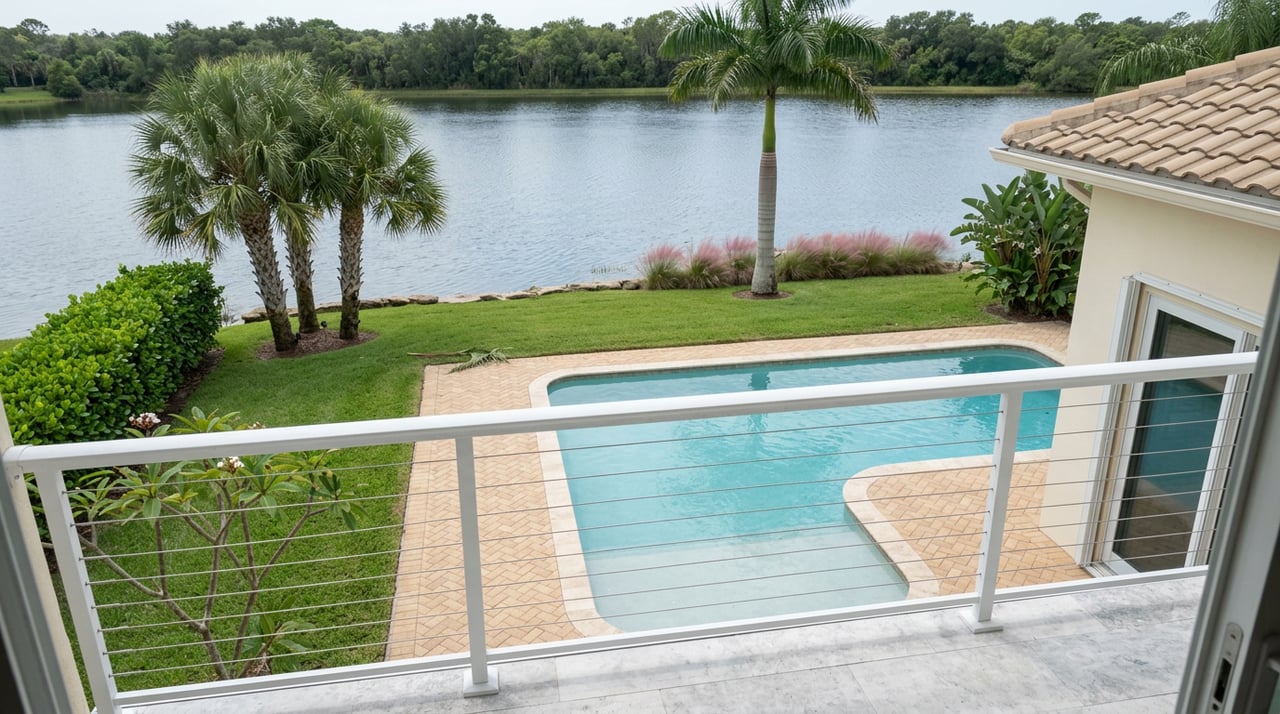
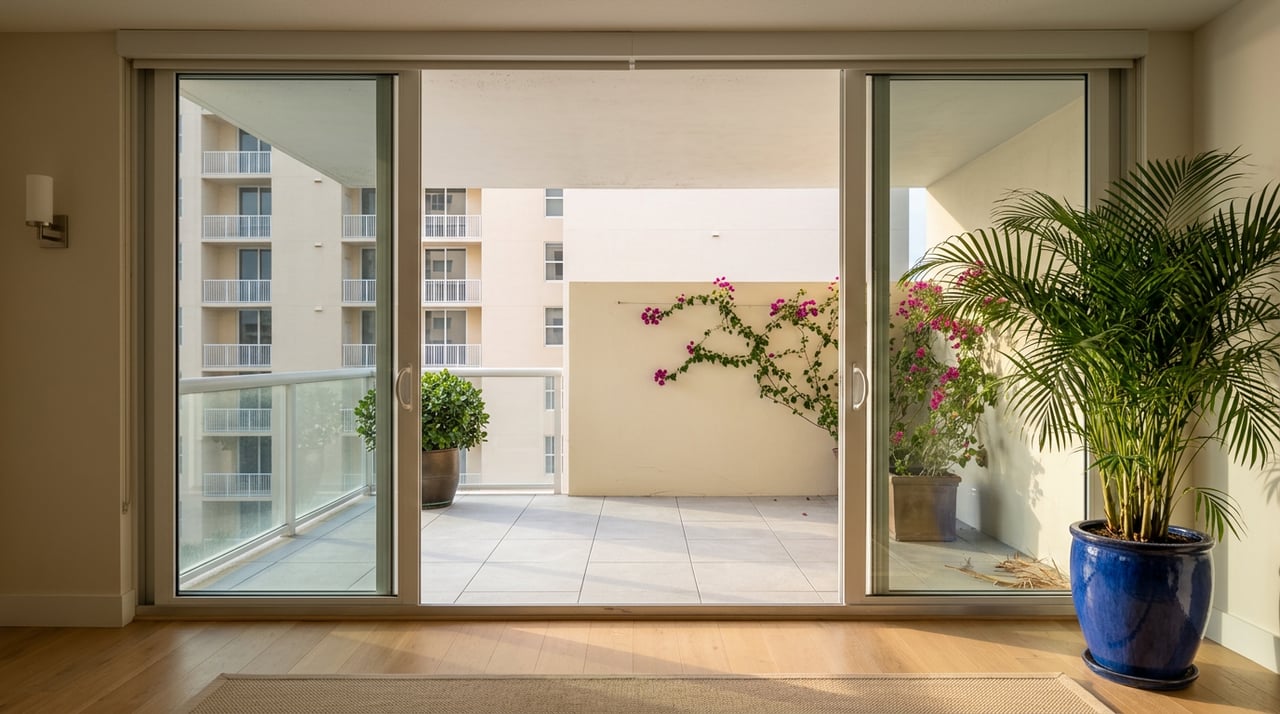
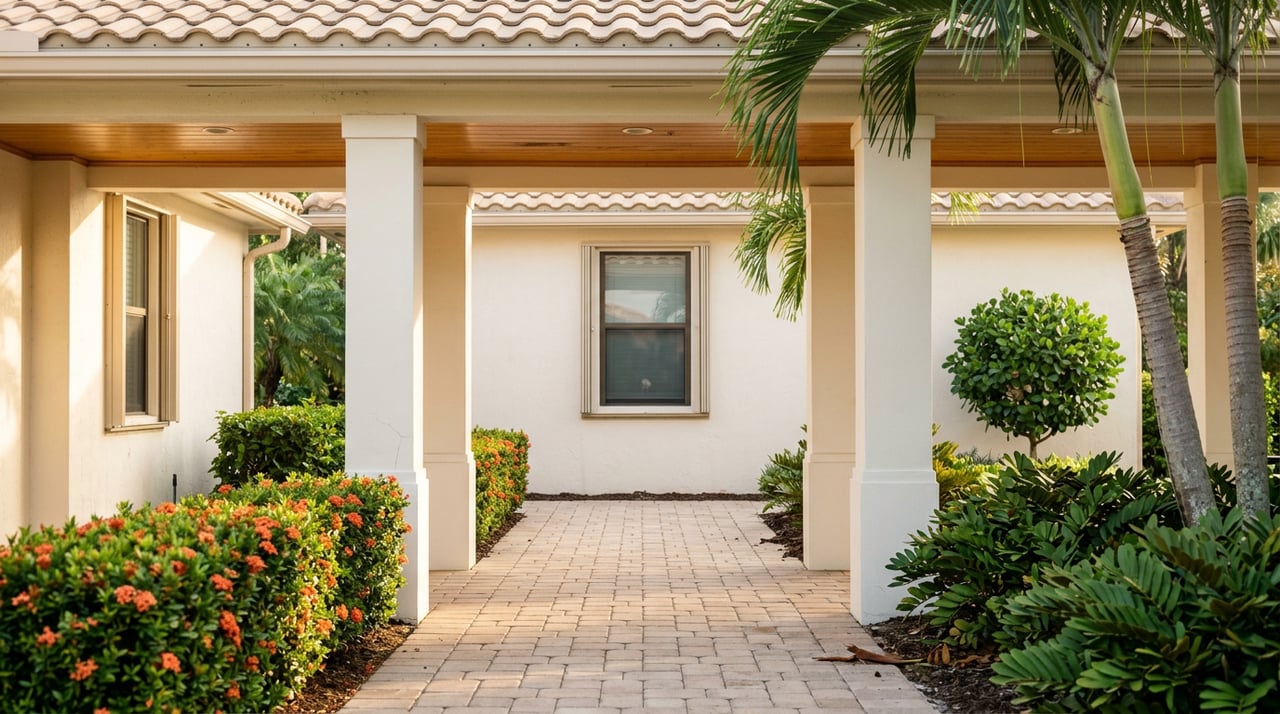
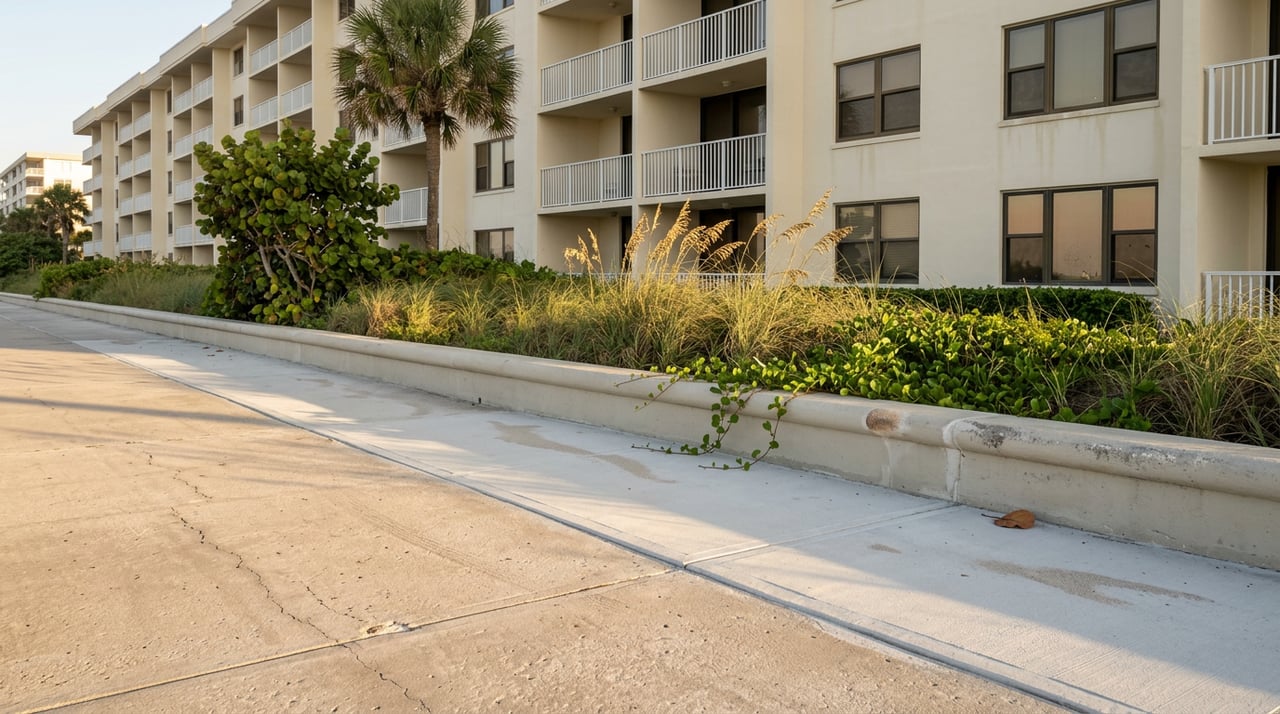
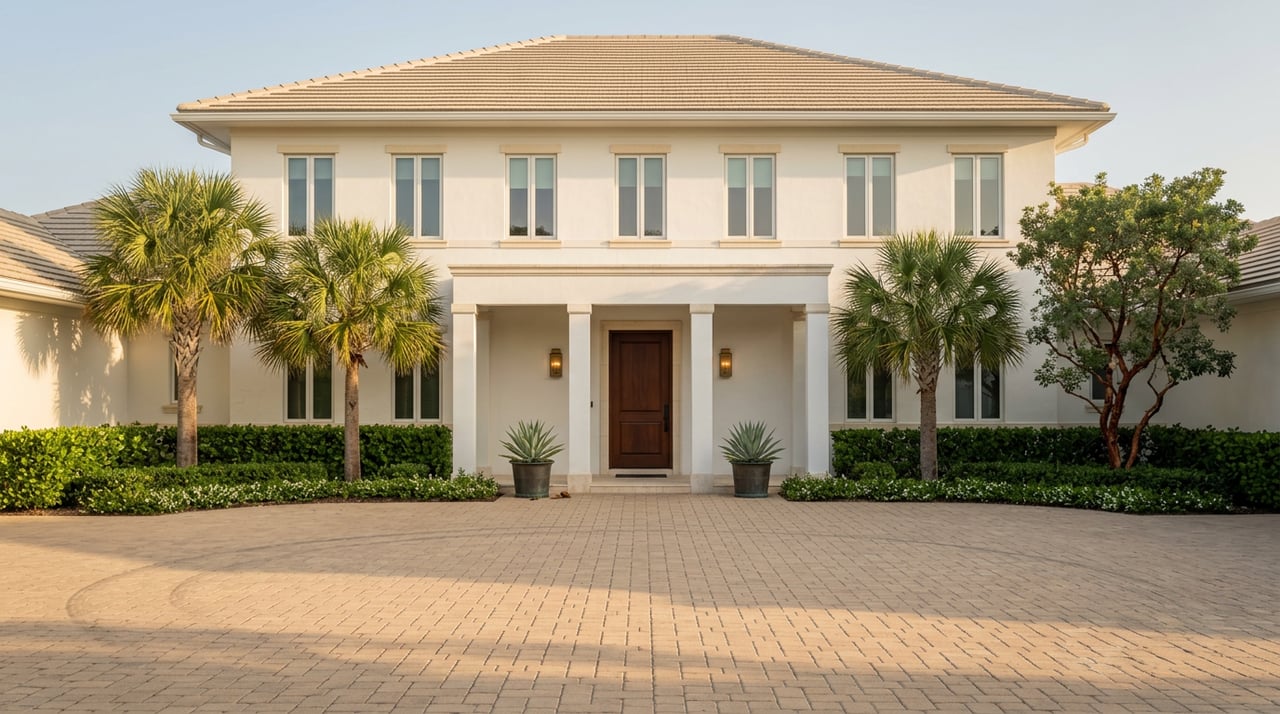
Pelican Bay in Naples, Collier County is an upscale, master-planned community known for private beach access, preserved natural areas, and a resort-style lifestyle. You will find a mix of condos, villas, and single-family homes, many arranged around green space and walkable paths.
Community life centers on shared amenities, organized activities, and convenient beach access. Parts of the development are gated, and the community association manages common areas and services. Compared with broader North Naples, Pelican Bay often feels more contained and focused on on-site living.
When is high season?
High season typically runs from November through April, with peak activity in January and February. This is when occupancy surges, social calendars fill up, and reservations can book fast.
From late spring through early fall, things get quieter. Many seasonal residents depart before hurricane season, which runs June 1 through November 30. Off-season offers easier restaurant reservations and more open space, but you will see fewer events and less day-to-day buzz.
A day in the life, in season
Here is a simple picture of how a winter week might unfold:
- Morning: Hop the community tram to the beach pavilion, grab a lounge chair, and walk the shoreline. Later, join a fitness class or a tennis or pickleball clinic.
- Midday: Lunch at a club dining venue or a nearby shopping district. Run quick errands, then return for a swim.
- Afternoon: Bridge or card group, a lecture, or a photography or garden club meeting. If you prefer quiet time, the walking and biking paths offer peaceful breaks in nature.
- Evening: A back-to-season party, a themed dinner, or an outing to a Naples arts event. During peak season many neighbors are in town, so social calendars fill up fast.
Your actual schedule depends on the building or neighborhood, but in-season amenities and clubs typically expand programming across fitness, social, and cultural interests.
Amenities and access you will use
Beach access and trams
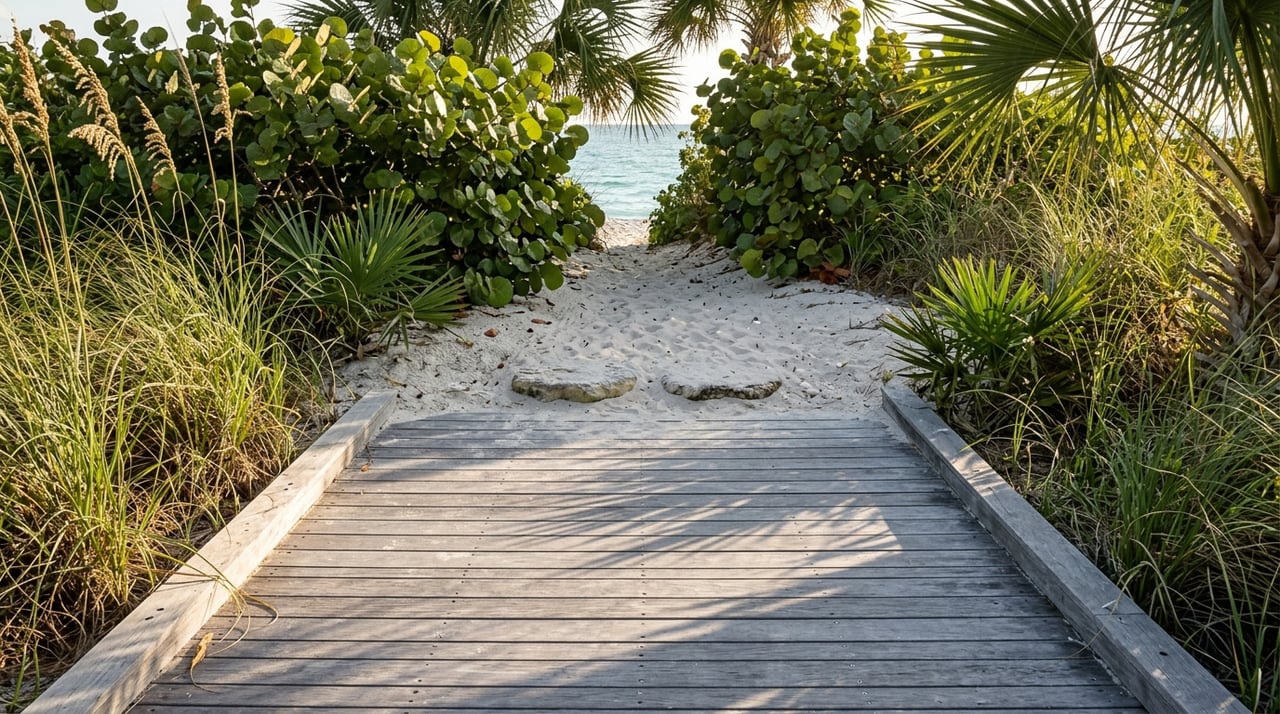
Pelican Bay is known for private or semi-private beach access points with resident pavilions. You can expect restrooms, showers, and seating areas depending on community rules. Many residents use community-run trams or shuttles that connect inland residences to the beach. Confirm your specific neighborhood’s access options, tram stops, and any guest or pass requirements with the association.
Fitness, tennis, and pickleball
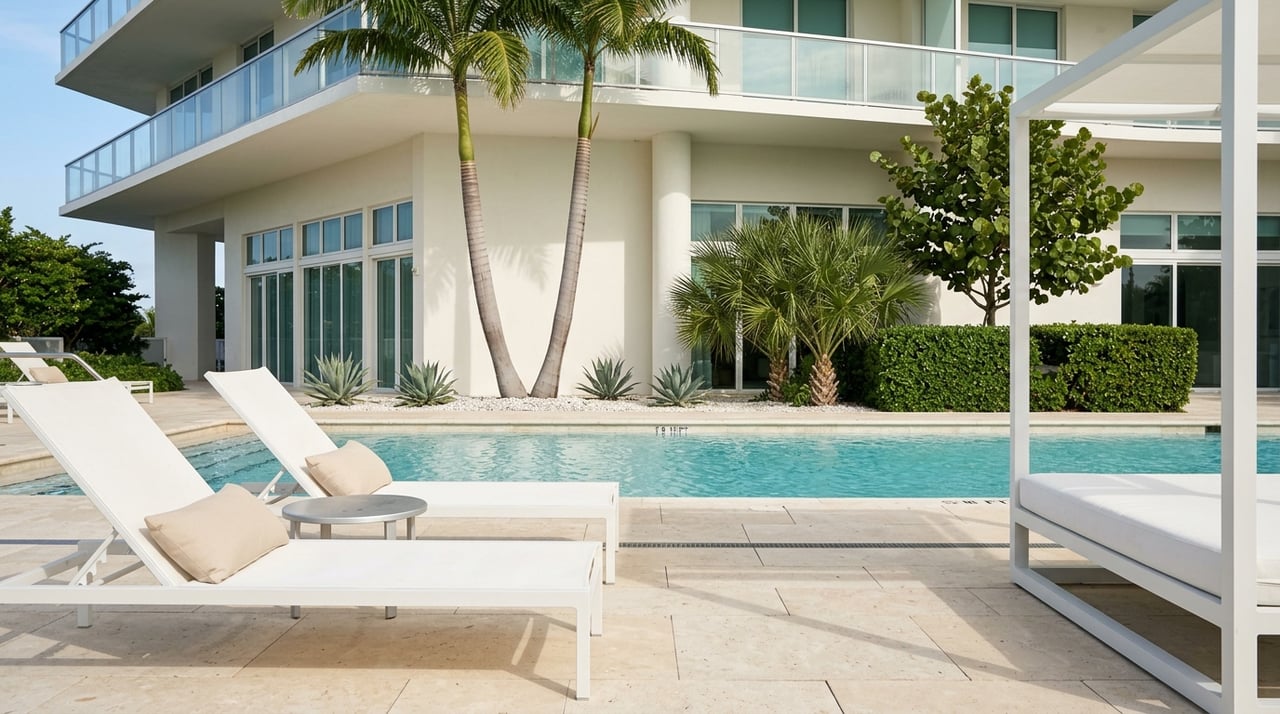
Multiple pools, fitness centers, and racquet courts are common. In season, you will often find clinics, leagues, and group classes. Some facilities may operate as private clubs with separate fees or waitlists, so it helps to clarify membership terms before you buy.
Dining and entertainment nearby
On-site club dining can simplify your day. Outside the gates, you are a short drive to upscale shopping, specialty markets, and Naples cultural hubs. Expect lively restaurant scenes and seasonal events throughout winter, including art shows and regional festivals.
Health care access
The Naples area offers hospitals, specialty medical centers, and urgent care clinics. In high season it is smart to schedule appointments ahead and confirm availability for any specialists you plan to see while in residence.
Getting here and around
Most seasonal residents fly into Southwest Florida International Airport in Fort Myers for commercial service or Naples Municipal Airport for general aviation. Driving is the primary way to get around, though internal shuttles reduce car trips to the beach. Travel times can stretch during peak season, so pad your schedule for arrivals, dinners, and events.
Seasonal life vs. year-round North Naples
Here is how Pelican Bay’s seasonal focus compares with a broader North Naples lifestyle:
Pelican Bay, seasonal focus:
- Resort-style living with on-site amenities that peak in winter.
- A smaller footprint for errands if you prefer club dining and in-community services.
- Quieter summers with fewer neighbors around.
North Naples, year-round focus:
- A larger base of permanent residents, with retail and services geared to full-time living.
- More day-to-day conveniences for year-round routines.
- Potentially more traffic and activity, especially along commercial corridors.
If you want a turnkey winter base with a built-in social network, Pelican Bay can be a good fit. If you need extensive, daily conveniences year-round, a North Naples address outside Pelican Bay may offer a broader mix of services.
Practical planning for seasonal owners
Seasonal living stays stress-free when you handle a few essentials up front.
Association rules and rentals
- Review HOA or condo association rules on minimum stay requirements, guest registration, and pet policies.
- Ask about short-term rental allowances and any county registration or tax requirements. Rules vary by building and association.
- Confirm access details for beach facilities, trams, and club amenities attached to your property.
Costs, dues, and memberships
- Expect association dues that fund maintenance, amenities, landscaping, security, and sometimes trams.
- Some amenities operate as private clubs with separate initiation fees, dues, or food and beverage minimums. Ask if a property has any mandatory memberships tied to ownership.
- Keep an eye on potential special assessments for larger projects.
Insurance and hurricane readiness
- Hurricane season runs June 1 through November 30. If you are away during this period, set a clear plan with your manager or caretaker.
- Verify flood zone designations and obtain quotes for homeowners or condo, wind or hurricane coverage, and flood insurance if applicable. Review named storm deductibles.
- Plan for shutters, generator maintenance if applicable, and post-storm inspections.
Property management and off-season prep
- Consider a local manager for routine maintenance, package handling, and storm readiness.
- Use a departure checklist: water shutoffs if allowed, thermostat settings, irrigation, mail forwarding, and appliance prep.
- Schedule off-season improvements early. Contractor availability can be limited during peak months.
Everyday logistics
- Mail and packages: set forwarding or arrange pickup through a property manager or local service.
- Utilities: confirm minimum usage requirements and recommended off-season settings for HVAC, water heaters, and pools.
- Healthcare: if you spend months here, confirm local primary care and specialist availability.
- Parking: review owner and guest parking rules, plus storage options for seasonal vehicles.
What changes in the off-season
Off-season brings a slower pace and space to breathe. You will likely find fewer events, reduced programming, and less crowded amenities. Some dining venues may adjust hours, and community shuttles can operate on lighter schedules. Confirm the current calendar and transport frequency with the association before planning visits outside winter.
Your verification checklist
Because specific privileges and fees can vary by building, verify these items before you buy:
- Pelican Bay Association and recreational governing bodies for amenity access, beach rules, tram schedules, and event calendars.
- Your building or HOA for rental rules, guest policies, parking, and pet guidelines.
- Collier County property records and zoning for ownership details and local requirements.
- Insurance professionals for homeowners or condo, wind or hurricane, and flood coverage.
- FEMA flood zone designation for your property and overall risk profile.
- NOAA hurricane season information and local preparedness resources.
- Naples Area Board of REALTORS for regional market context and trends.
- Local health systems for availability of urgent, specialty, and primary care.
How we help you succeed in season
If you are weighing Pelican Bay as a winter base, a clear plan will save you time and stress. We help you:
- Identify buildings and neighborhoods that match your amenity and rental needs.
- Understand association rules, membership structures, and typical program calendars.
- Coordinate remote tours, inspections, and property management introductions.
- Prepare a smart insurance and hurricane-readiness strategy before closing.
When you have the right information up front, seasonal living in Pelican Bay feels seamless.
Ready to map out your winter in Naples and compare options across Pelican Bay and North Naples? Connect with Valarie Tillman for clear guidance and private tours tailored to your goals.
FAQs
When is high season in Pelican Bay, Naples?
- High season typically runs from November through April, with peak activity in January and February.
How does Pelican Bay beach access work for residents and guests?
- Beach access is organized for residents and managed by community entities; confirm current resident privileges, guest rules, and any pass requirements with the association.
Is there a tram or shuttle to the beach, and how often does it run?
- Many neighborhoods use community trams or shuttles to reach beach pavilions; check your building’s stop locations, seasonal schedules, and accessibility with the association.
Are short-term rentals allowed in Pelican Bay condos and villas?
- Rental rules vary by building and HOA; verify minimum stays, guest registration, and county requirements directly with your association.
What fees should seasonal owners expect beyond the purchase price?
- Plan for HOA dues and possibly separate club initiation or membership fees; confirm whether any memberships are mandatory for your specific property.
How should seasonal residents handle hurricane season if they are away?
- Set a plan with a local manager for shutters, generator checks if applicable, and post-storm inspections; review wind or hurricane and flood coverage with your insurance professional.
How does Pelican Bay compare to North Naples for day-to-day convenience?
- Pelican Bay emphasizes on-site amenities and a resort-style setting, while broader North Naples offers a larger mix of year-round retail and services.
What changes should I expect in the off-season?
- Expect fewer events, lighter programming, and easier reservations; some dining venues and shuttles may operate on reduced schedules, so confirm details in advance.